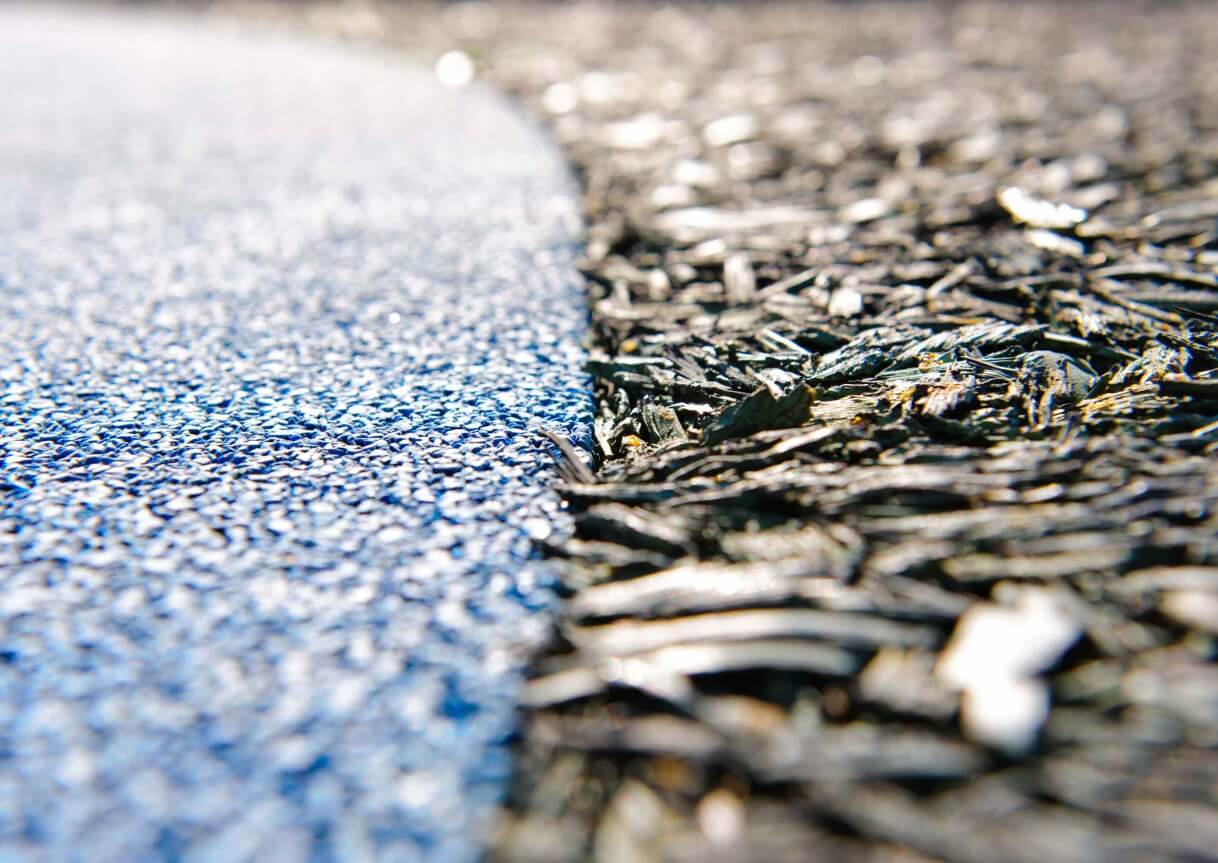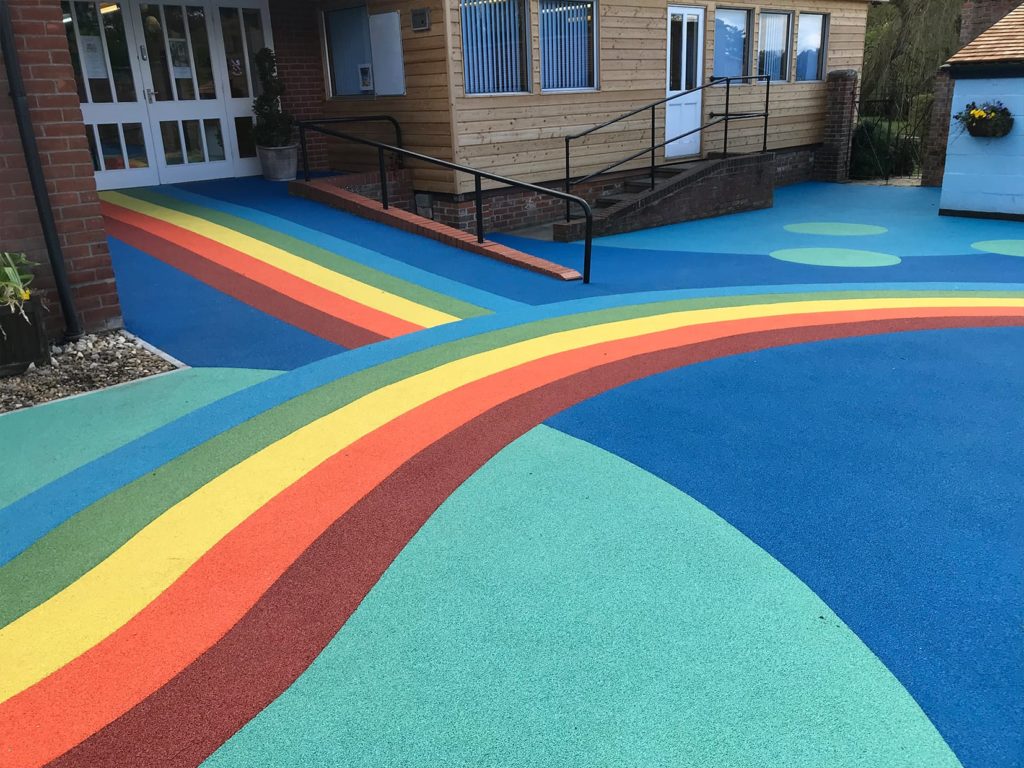
Every surfacing project starts with our free design and advice service. We assess the site, including substrate, drainage, gradient, surrounding equipment and fall heights. To work out what you need surfacing and materials you need, we look at the equipment going on the surface, the user group and expected footfall, and the budget. Our installers handle base preparation, edging, fixing and laying, which covers our full range of surfacing.
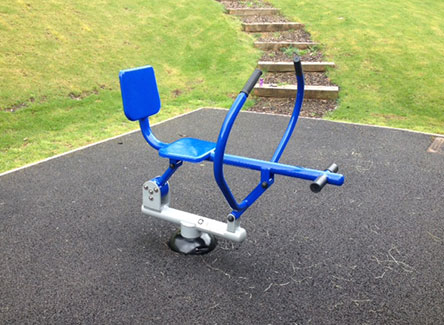
We supply surfacing across four sectors, covering schools, multi-academy trusts, NHS settings, local and parish councils, housing developers, contractors, holiday parks and visitor attractions:
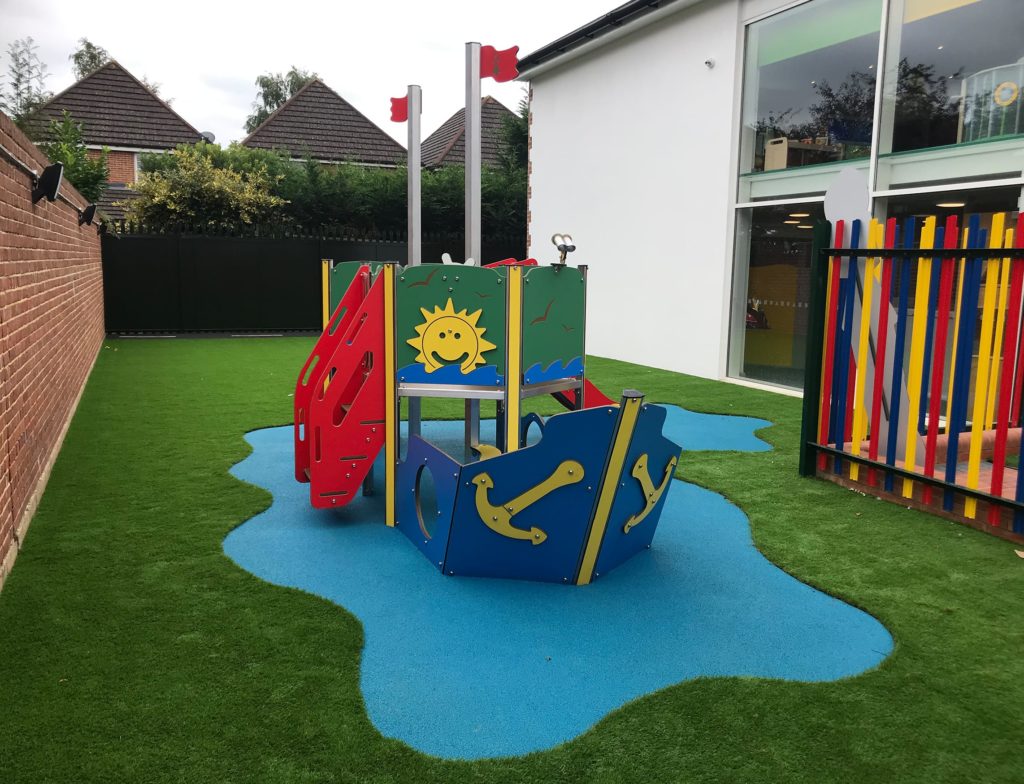
Playground surfacing must meet BS EN 1177, the British standard for impact-attenuating playground surfaces, which sets critical fall height (CFH) thresholds for every system. This is the single most important safety standard on any play project — surfacing failure is a leading cause of serious injury. Equipment-side, BS EN 1176 sets the surfacing extent (free space and fall zone). We HIC test on completion where applicable and provide certification for the site file.
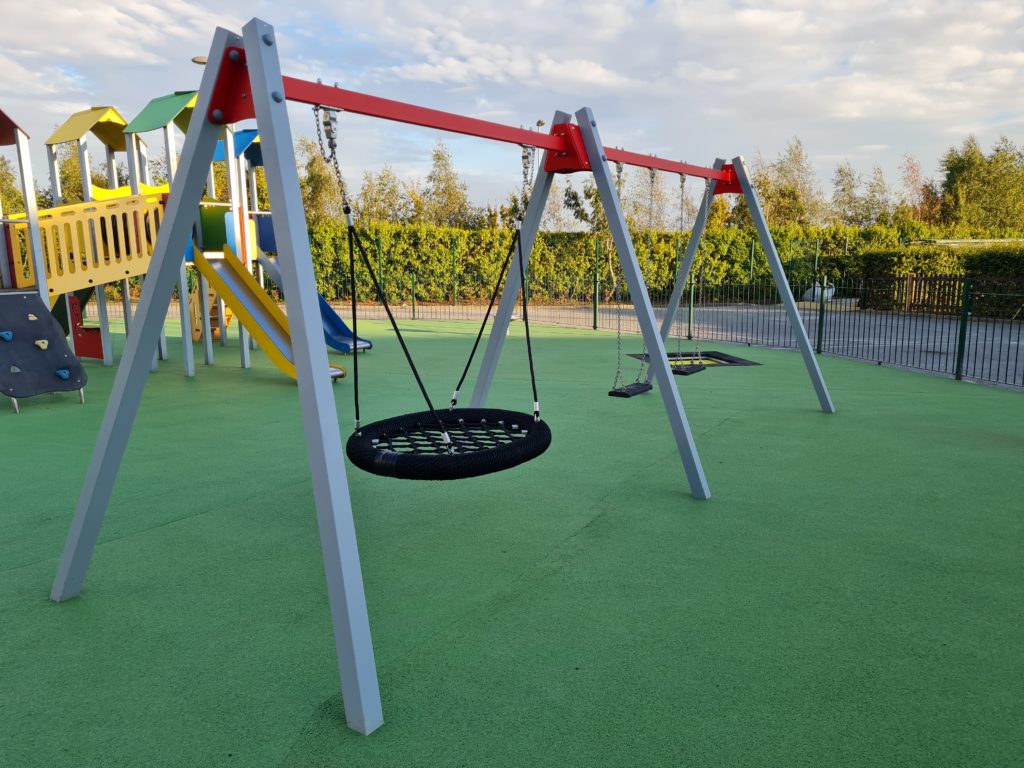
We provide free funding and support advice for schools, councils and community organisations replacing or installing surfacing. Support covers bid writing, evidencing need (especially around safety failures or compliance gaps), cost breakdown for grant applications and identifying funders — DfE capital, Sport England, Section 106, CIL, parish precepts, the National Lottery and PTA fundraising. Resurfacing projects often qualify for safety-led capital funding that broader play schemes don’t, particularly where current playground safety surfaces have failed HIC testing, or where playground safety surfacing no longer meets the fall-height requirement of the equipment above it.
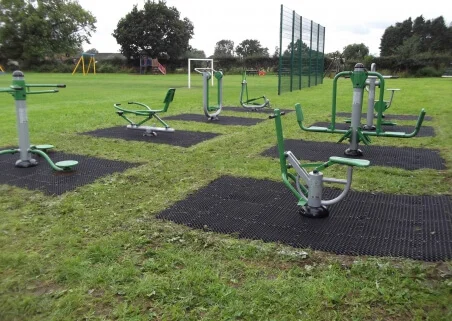
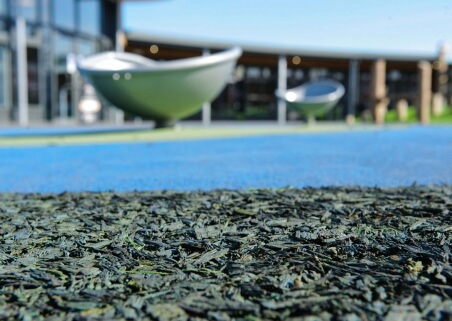
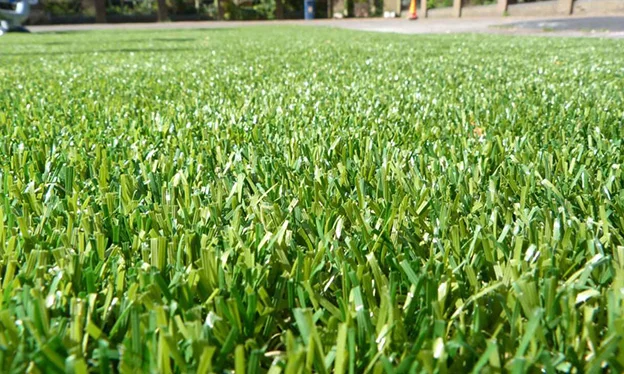
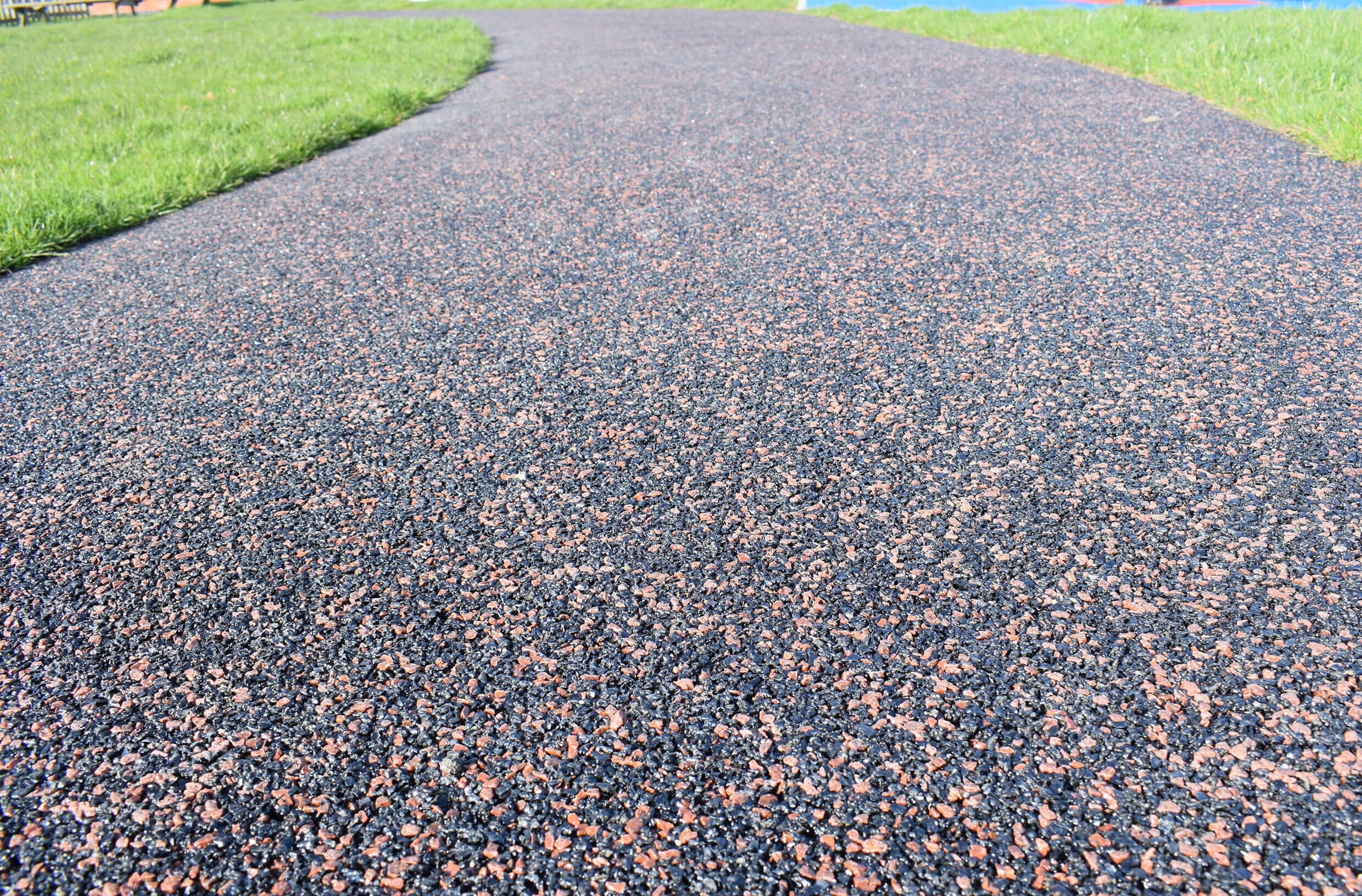
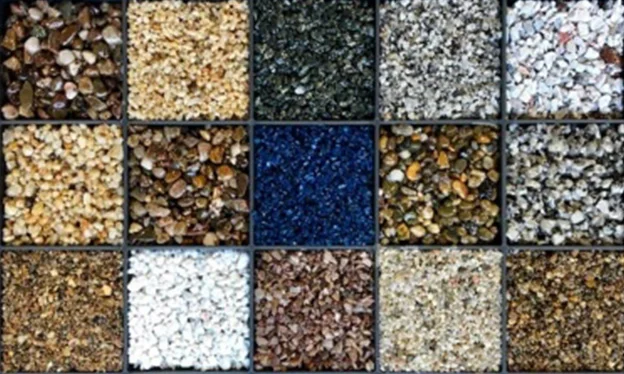
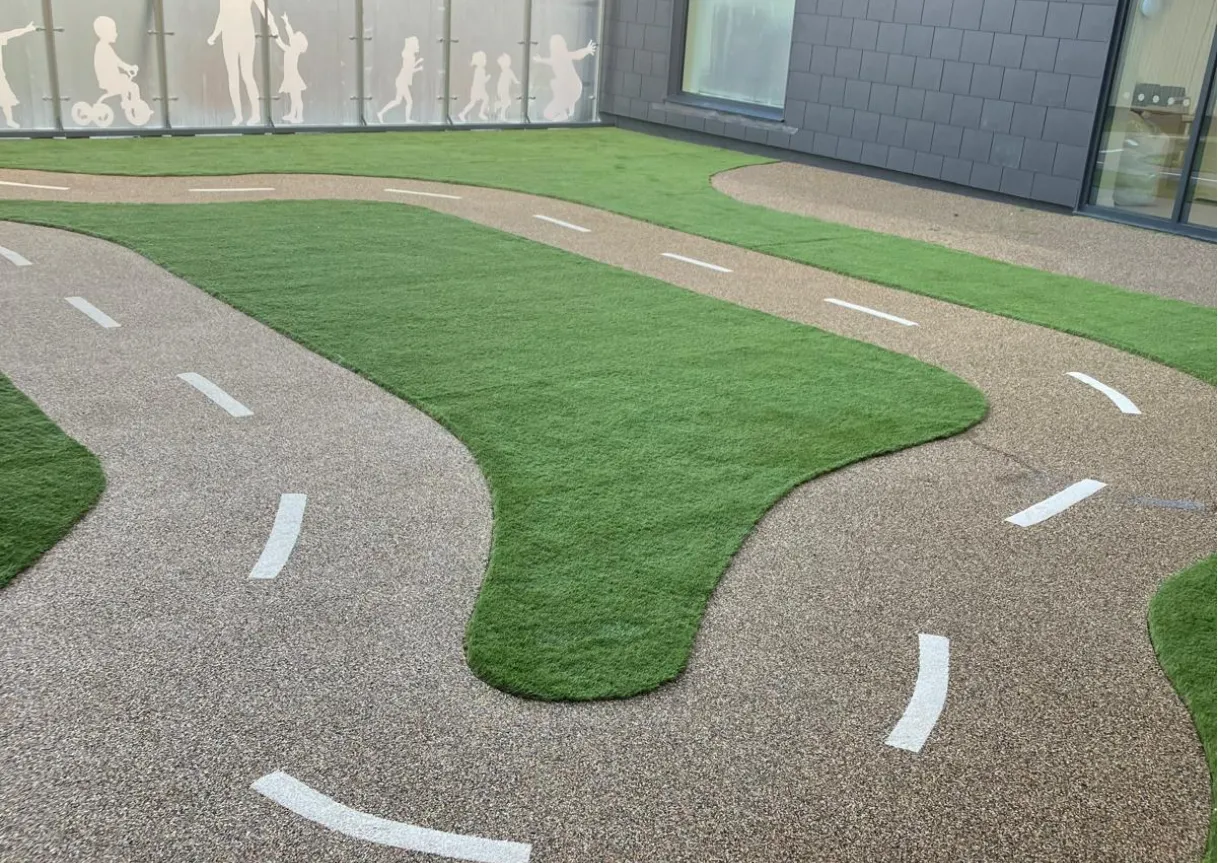
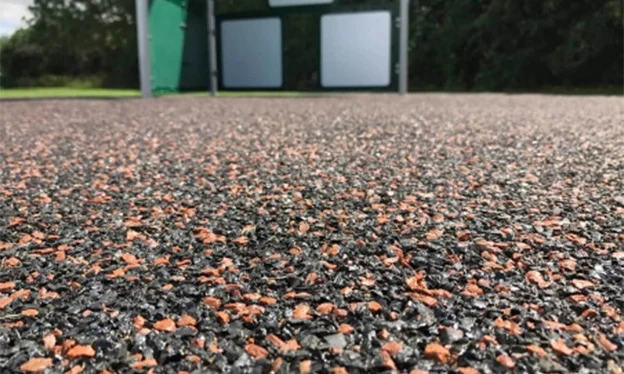
Wetpour rubber, rubber mulch and rubber grass mats are the standard playground safety surfaces, with artificial grass for play areas and resin bound gravel used in lower-impact zones. The right choice depends on equipment fall heights, footfall, drainage and budget.
Yes — we install surfacing as part of full playground surfacing & fencing schemes alongside our play, gym, MUGA and skate park projects. We can also lay surfacing as a standalone job on an existing site.
Yes — we routinely strip out failed surfacing and install a new system around existing equipment. We assess substrate, drainage and edging before specifying a replacement.
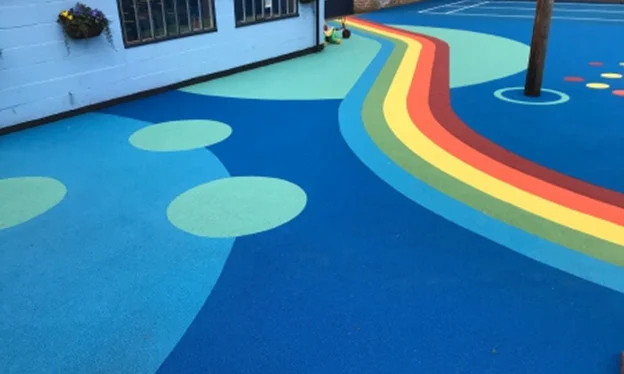
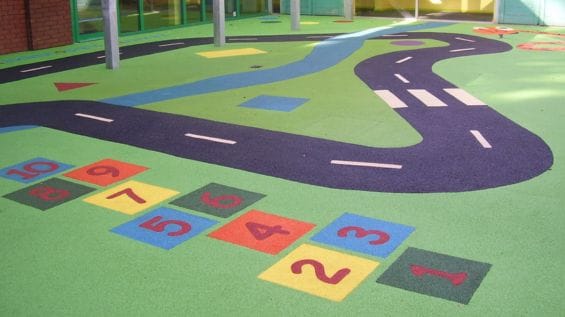
The most common soft playground surface is wetpour — also known as wetpour rubber surfacing or poured-in-place rubber — a seamless EPDM surface designed to meet specific fall heights. Rubber mulch and rubber grass mats are softer alternatives.
Yes — our design service includes independent guidance on the best material for playground surface based on your site, equipment, footfall and budget. We don't manufacture surfacing, so the recommendation is led by your needs, not a single product range.
Loose-fill bark and woodchip are the cheapest options, but require frequent topping up and don't suit wheelchair access. The cheapest engineered system is usually rubber grass mats on a prepared sub-base, offering a fixed fall height at lower cost than wetpour.
A correctly installed wetpour surface typically lasts 8–12 years before resurfacing, with the EPDM wear layer the first to degrade. Lifespan depends on usage, UV exposure and the condition of the underlying base.
Most school and community surfacing installs take three days to two weeks on site, depending on area, system and cure times. Wetpour and resin systems need dry, above-5°C conditions during installation.
Repair if degradation is localised and the base is sound. Resurface if more than around 25% of the area has failed, the fall height no longer meets the equipment requirement, or the substrate has lifted.