Skate Park Equipment
Frequently Asked Questions
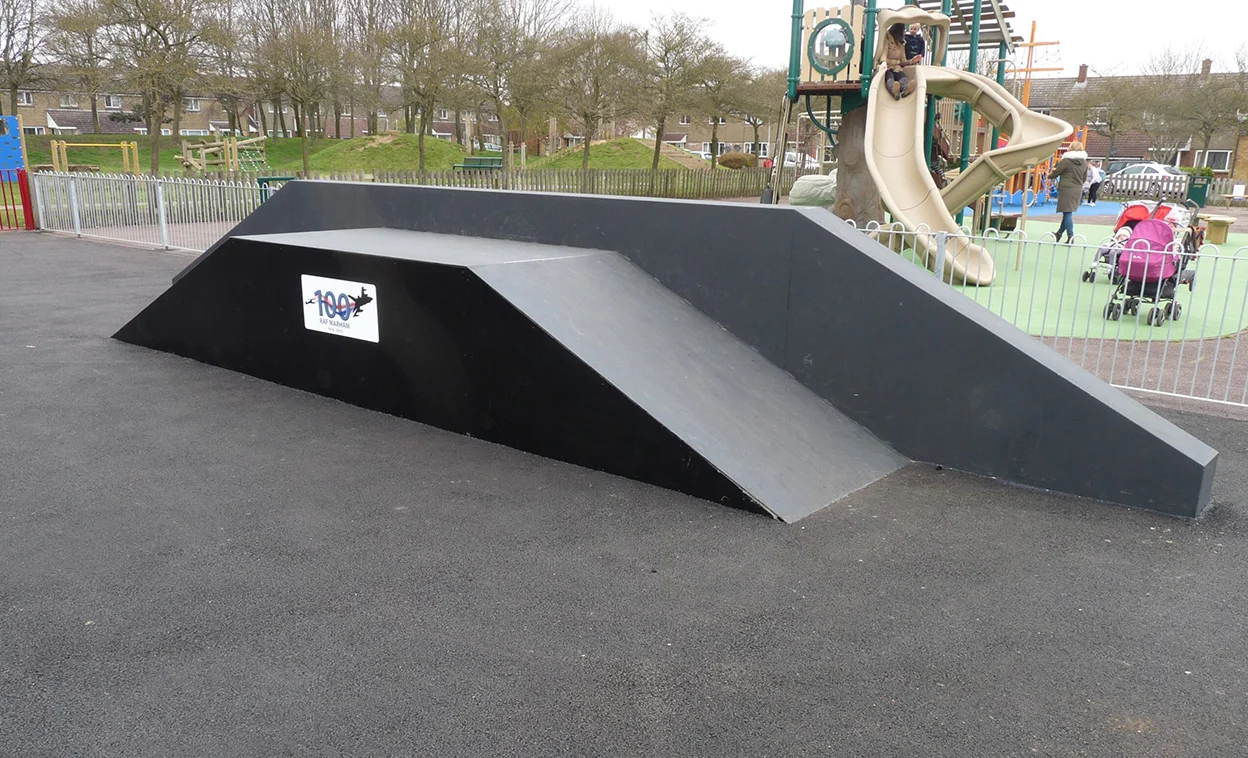
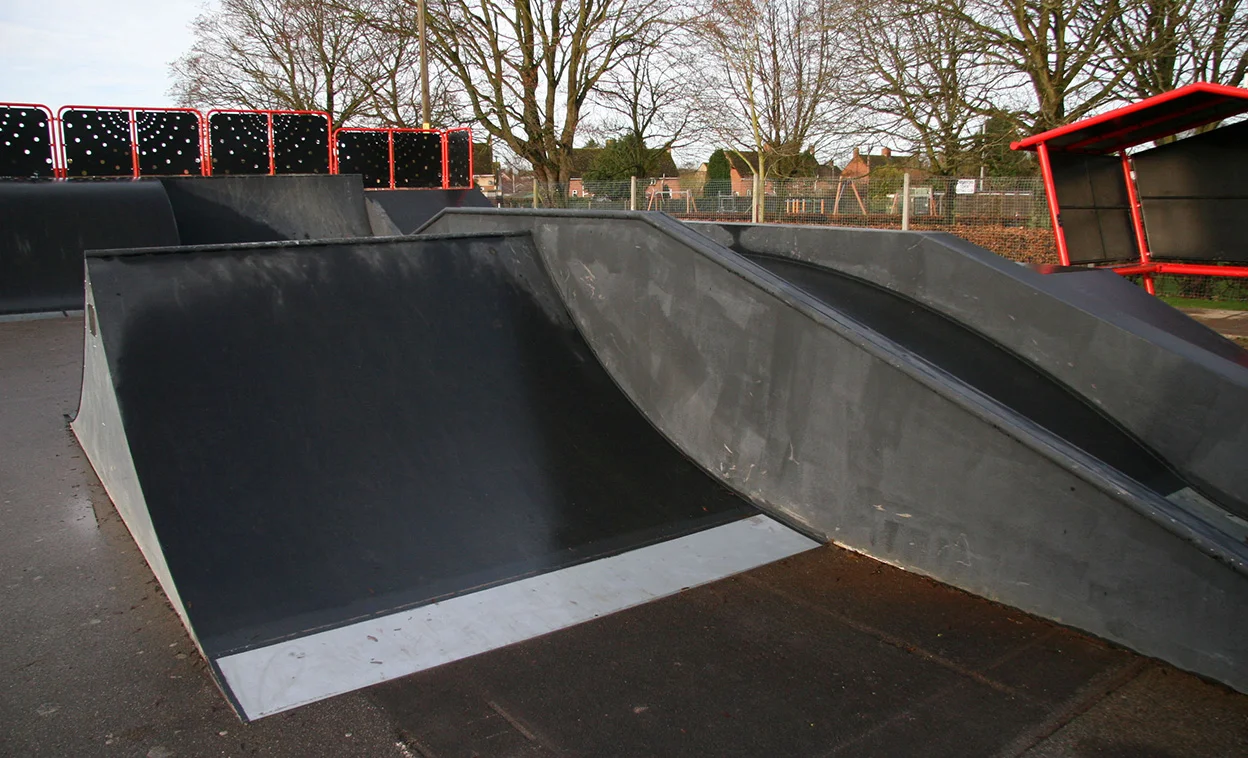
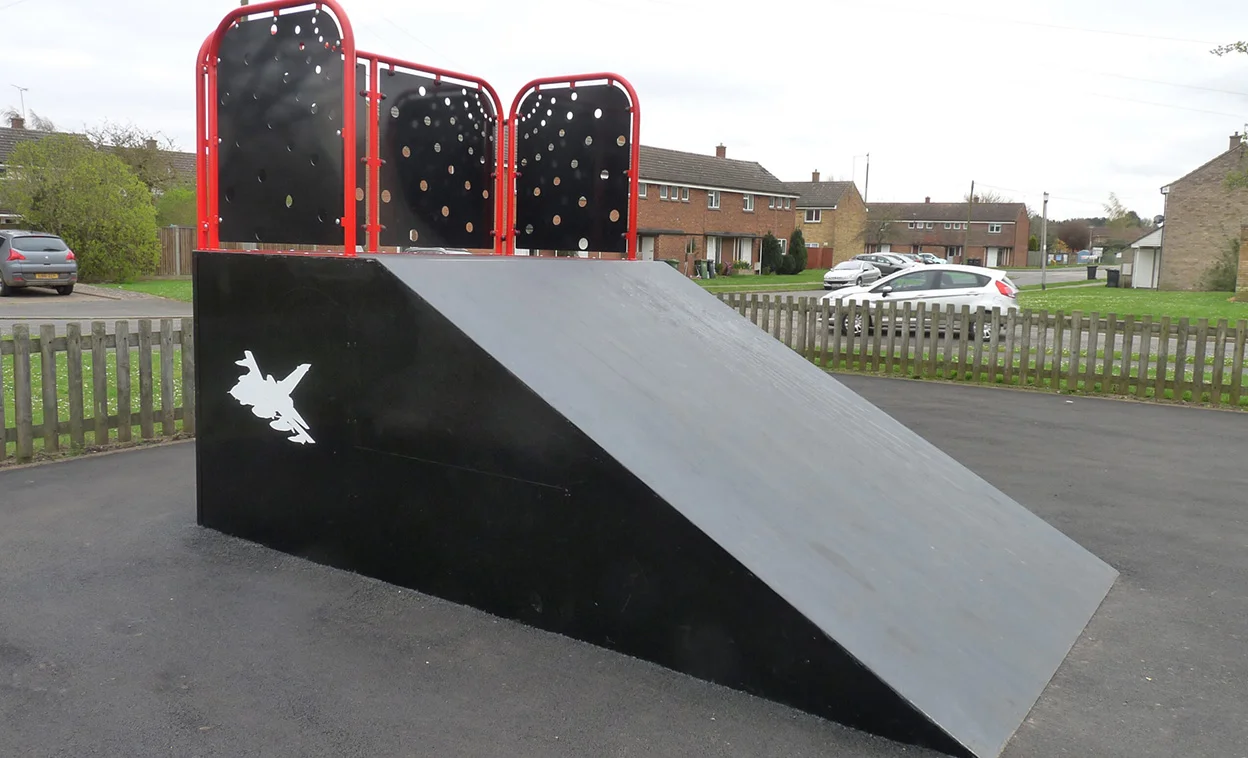
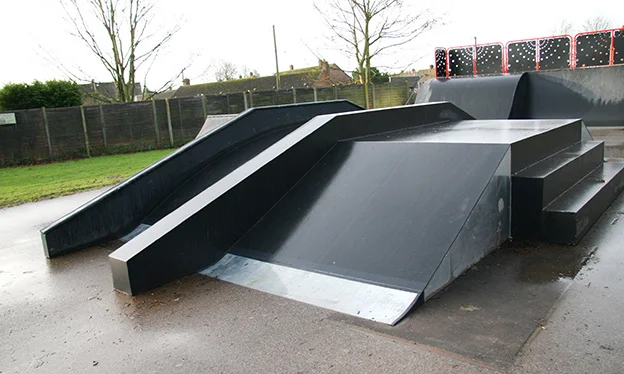
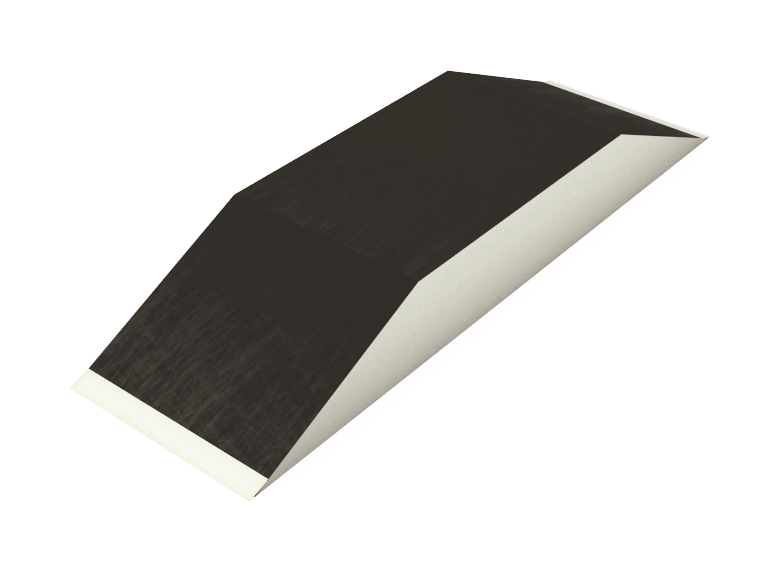
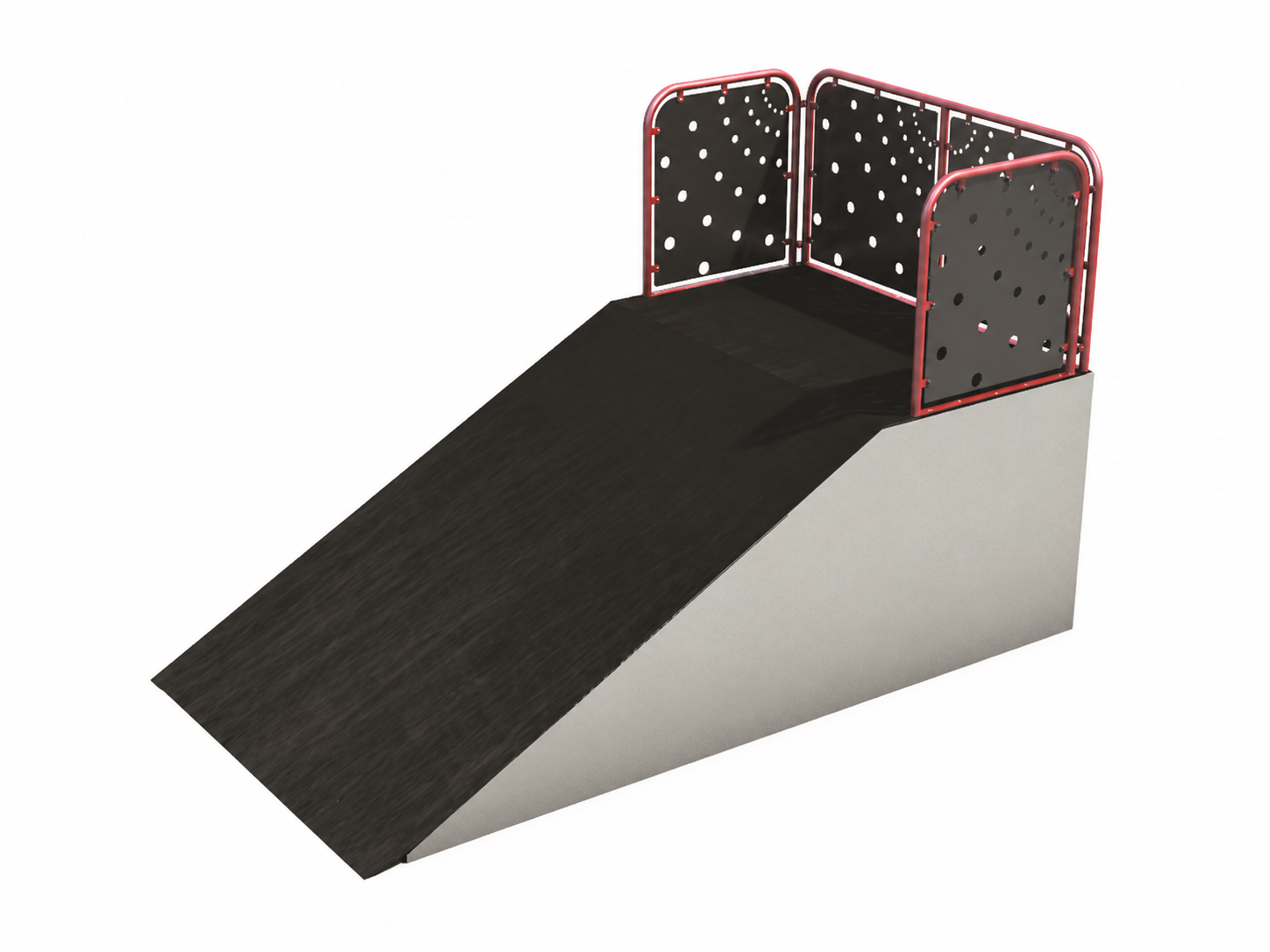
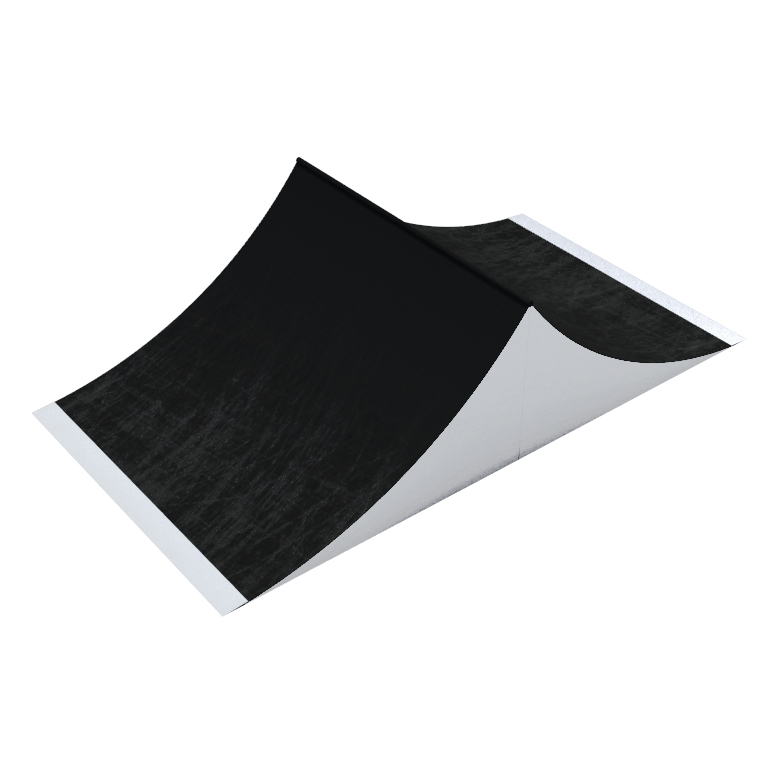
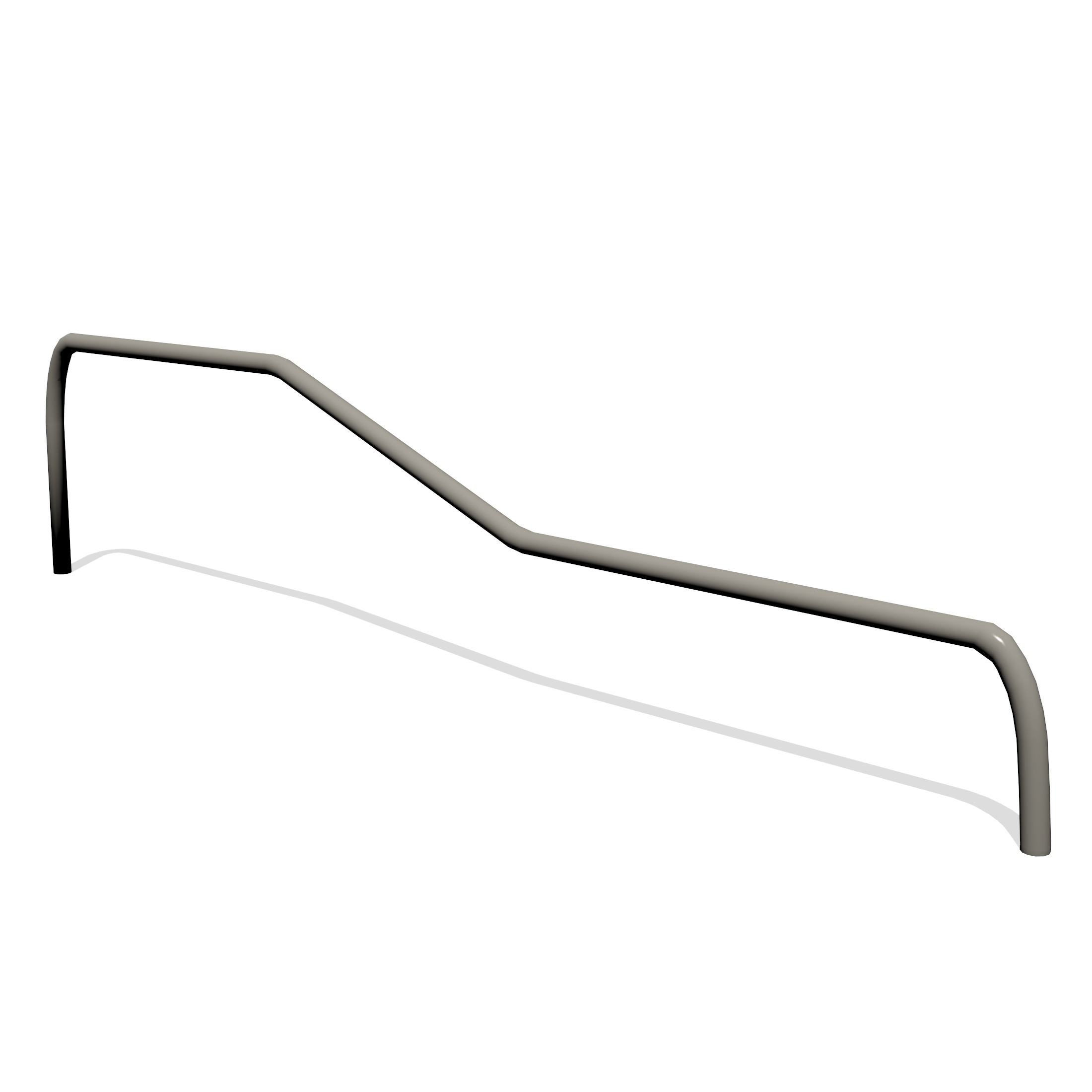
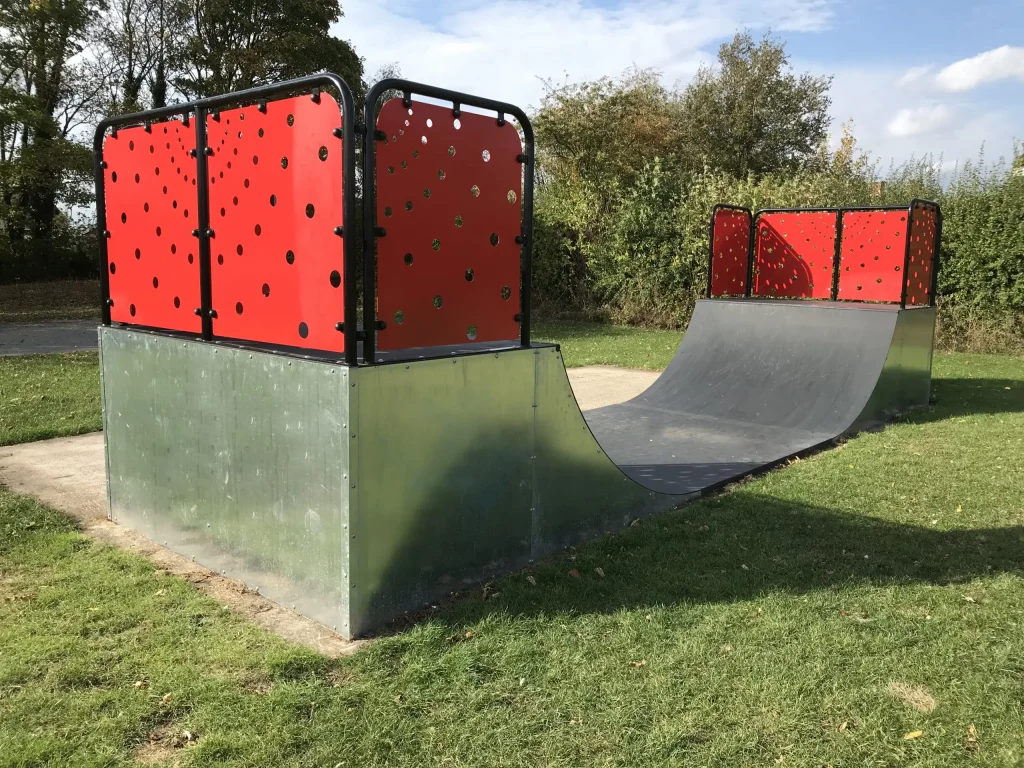
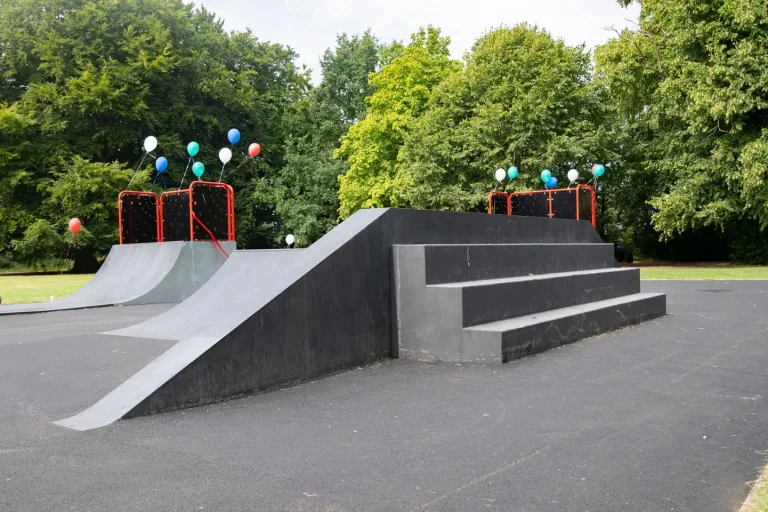
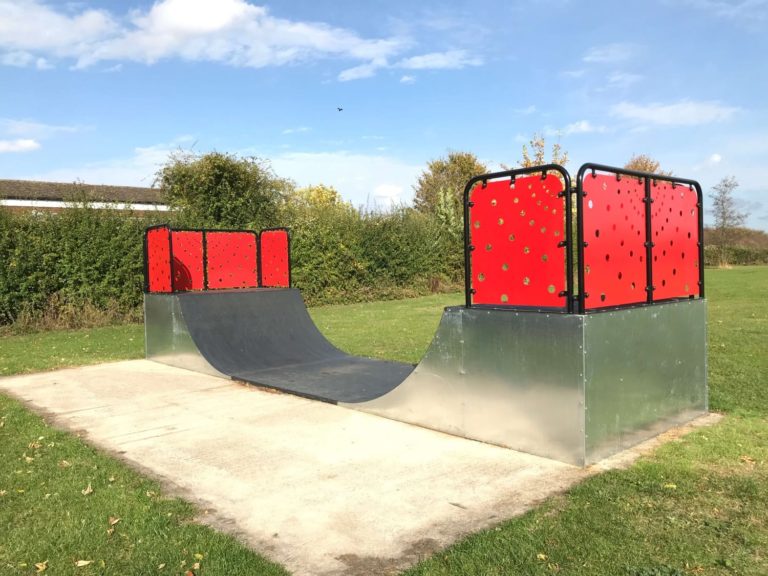
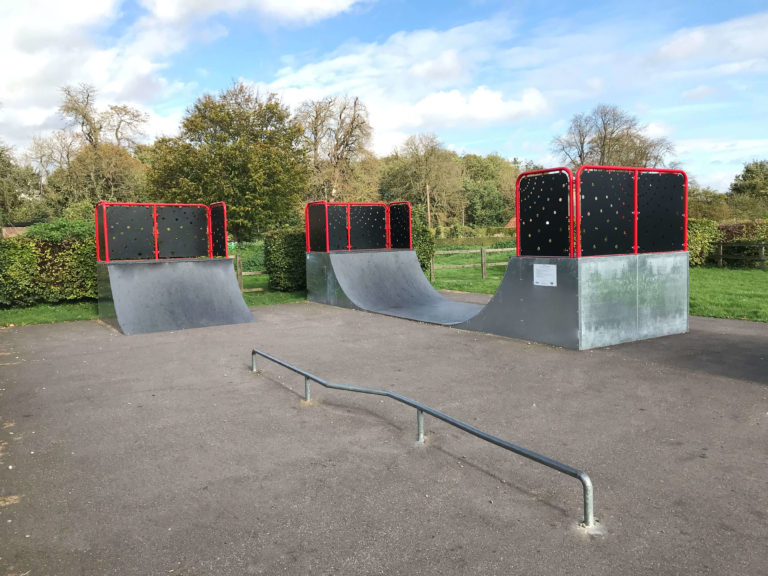
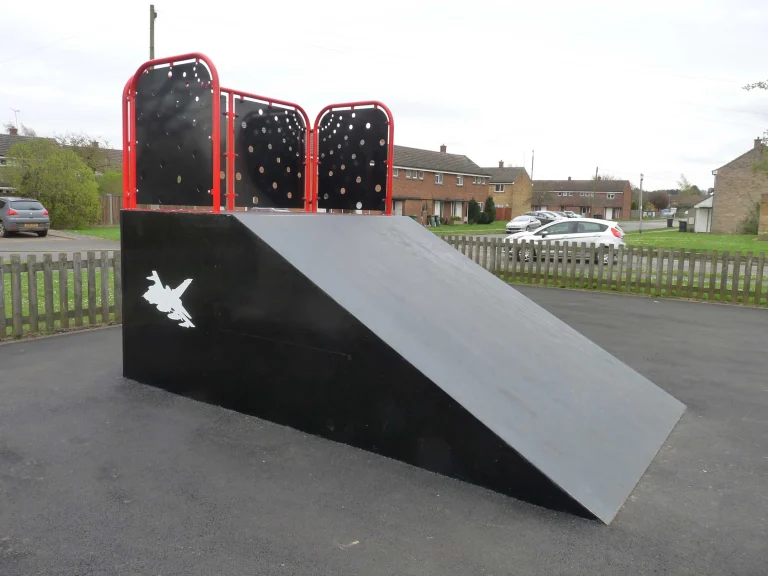
We supply skate park ramps (mini ramps, quarter pipes, half pipes), fun boxes, grind rails, ledges, kickers, manual pads, bowls and pump tracks. Everything in our skate park equipment for sale meets BS EN 14974 and is sourced from established UK manufacturers.
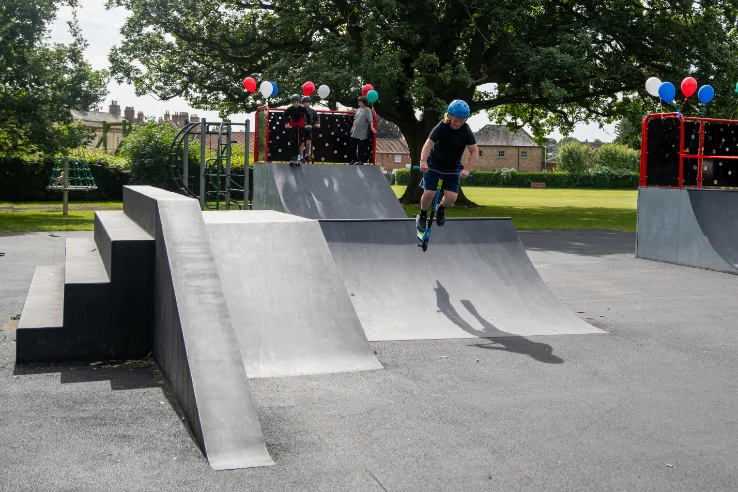
Modular skate parks use prefabricated steel or composite ramps fixed to a tarmac or concrete base, which are quicker to install, easier to relocate and lower cost. Concrete skate parks are poured in situ as one continuous form, meaning longer build, higher cost, but quieter in use and the preferred choice for permanent flagship sites.
Skateboarders, BMX riders, scooter users and inline skaters of all ages and skill levels. Most public skate parks are designed for unsupervised use, with signage covering disciplines, ages and any helmet or pad recommendations.
Yes, modular skate park equipment is regularly installed in secondary schools, recreation grounds, public parks and housing schemes. Site selection should account for noise, access and proximity to housing, all of which we cover at the design stage.
A modular skate park typically ranges from £15,000 for a small starter setup to £150,000+ for a comprehensive community facility, depending on size, equipment and groundworks. Poured concrete schemes generally start higher (£60,000+) and scale to several hundred thousand pounds for flagship parks.
Usually yes, most local authorities classify a skate park as a change of use or new structure requiring planning consent. Permitted development may apply to very small modular schemes within existing recreation grounds, but we recommend a pre-application enquiry with the planning authority.
Most modular skate parks take three to six weeks on site, depending on size, base preparation and surfacing. Larger schemes or those combined with concrete elements can run eight to twelve weeks.