Daily Mile Tracks
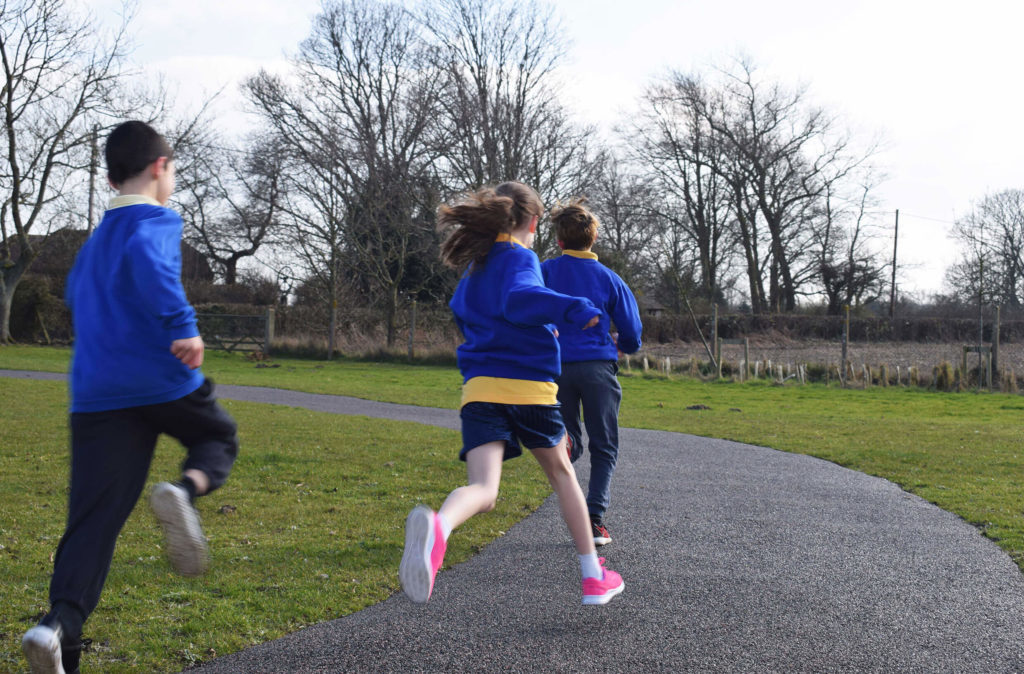
We design and install all-weather Daily Mile tracks for schools across the UK, routed around existing playing fields and surfaced so the loop stays usable when the grass version has turned to mud.
Filter
Sub-category
Why it matters
The Benefits of a Daily Mile Track
- Runs in every weather – Permeable surfacing drains as it rains, so the track is usable straight after a downpour and there is no mud walked back into classrooms.
- Fits the field you already have – We design the route around existing pitches, trees and boundaries, so the track works with the site rather than taking playing space away from it.
- Marked so children pace themselves – Distance markers and lap counts built into the surface let classes track progress, which is what keeps children engaged past the first term.
- Usable for more than running – Tracks double as scooter routes, sports day lanes, sensory circuits and a dry path between buildings, so the investment is not sitting idle between sessions.
- Almost nothing to maintain – Once laid there is no mowing, no roping off and no seasonal repair, which is a genuine difference from a worn grass loop.
Proven success stories
Daily Mile Tracks Case Studies
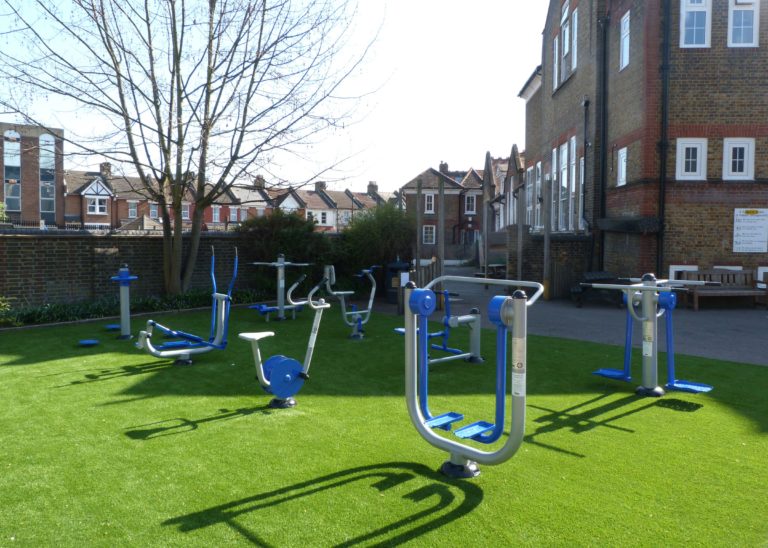
Outdoor Gym|Stamford Hill School- Outdoor Gym with Artificial Grass
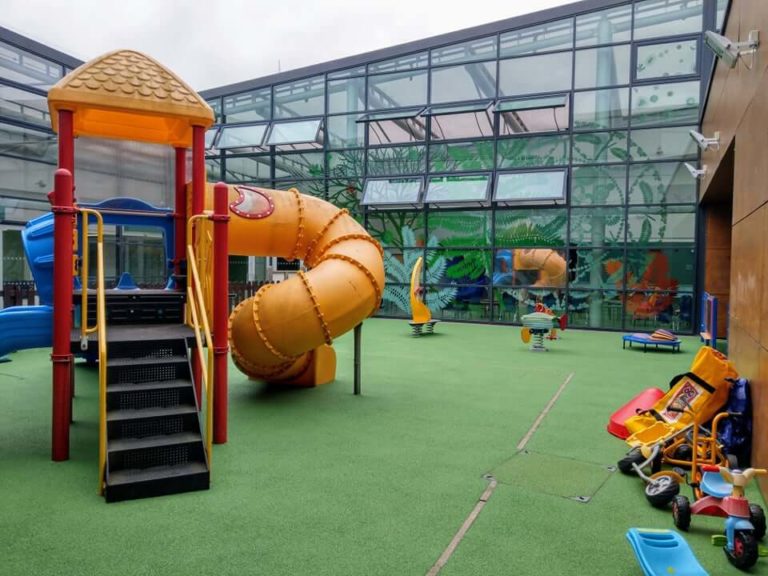
Play | Canolfan Yr Afon Infant School Outdoor Classroom and Steel Trim Trail
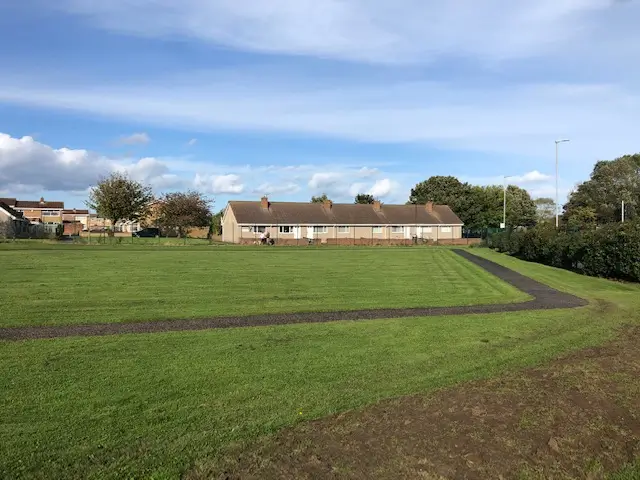
Springwell School: Encouraging Daily Activity with a SUDS Bond Mile Track From Vision to Reality at Springwell School
Surfacing| Tweendykes School, Wet Pour Surfacing
FAQs
Frequently asked questions
It does not need to be a mile. Most school tracks are a loop of 100m to 200m that children complete several times to reach the mile, because that is what fits a typical school field. We design the loop to a distance that divides cleanly, so the lap count is easy for children and staff to remember.
It depends on the length, the width and the surface. A narrow SUDs Bond track around an existing field is at the lower end. A wider resin bound route with edging and markers costs more. We price by the linear metre from a site survey, so you can flex the length to the budget rather than losing the project.
Many schools fund tracks through the PE and Sport Premium, since a Daily Mile track counts as improving provision for physical activity. Others use parent association fundraising, community grants or Section 106 money. We can provide the specification and costings that funding applications usually ask for.
SUDs Bond is the most common choice because it is permeable, soft underfoot and costs less than resin bound. Resin bound gravel gives a smoother, more formal finish and suits tracks that double as main paths. Both drain freely, which is the property that actually matters.
Most tracks take one to two weeks on site depending on length and groundworks. We usually programme installation over a school holiday so the field is not fenced off during term time.
Accreditations