Rubber Grass Mats
Rubber grass mats give you impact protection without losing the grass. We supply and install them across play areas, worn paths and overflow parking, where grass grows up through the mat and the surface disappears into the lawn within a season.
Filter
Sub-category
Why it matters
The Benefits of Rubber Grass Mats
- Protection that stays green – Grass grows up through the perforations, so you get tested impact absorption on a surface that still looks and feels like a lawn.
- Fixes worn ground – Gateways, goalmouths and desire lines that turn to mud every winter stay usable once matted, because the load spreads across the mat rather than the turf.
- Laid in a day, not a week – Mats interlock and peg straight into prepared ground, so there is no curing time and the area can be used the same day.
- Moved when plans change – Unlike poured surfaces, mats can be lifted and relaid elsewhere, which suits temporary parking, event ground and sites still finding their layout.
- Water goes where it should – Rain drains straight through into the ground below, so there is no standing water and no need for a separate drainage design.
Proven success stories
Rubber Grass Mats Case Studies
Outdoor Gym|Beenham Parish Council Youth Shelter and Outdoor Gym
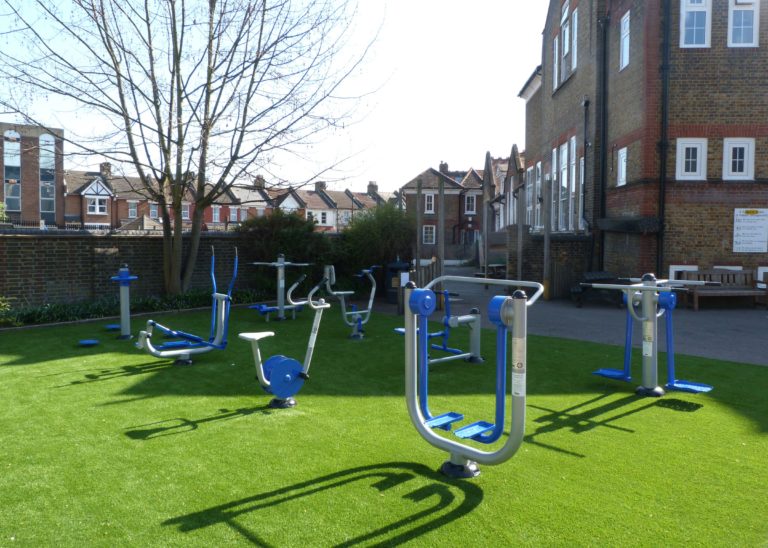
Outdoor Gym|Stamford Hill School- Outdoor Gym with Artificial Grass
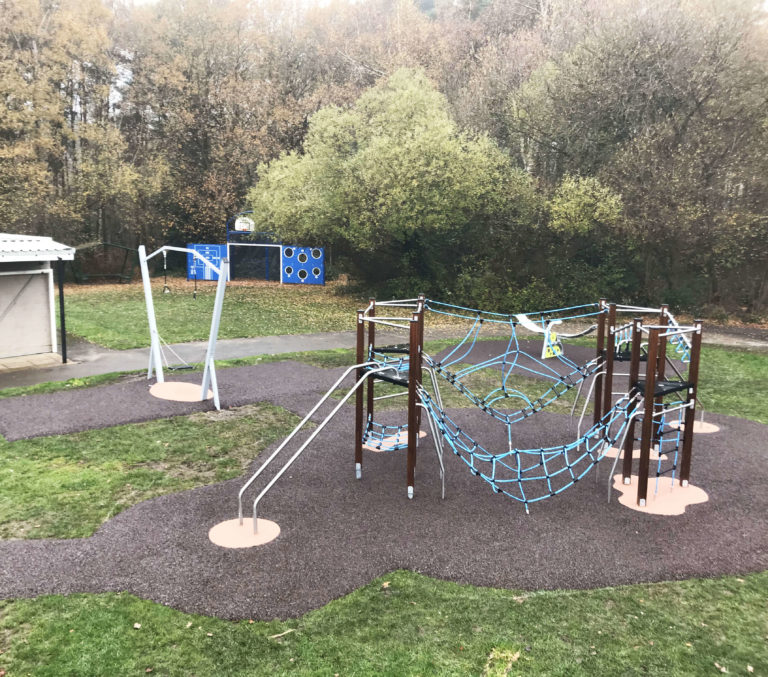
Play|Fleet Town Council – Playground and Bonded Rubber Mulch Surfacing
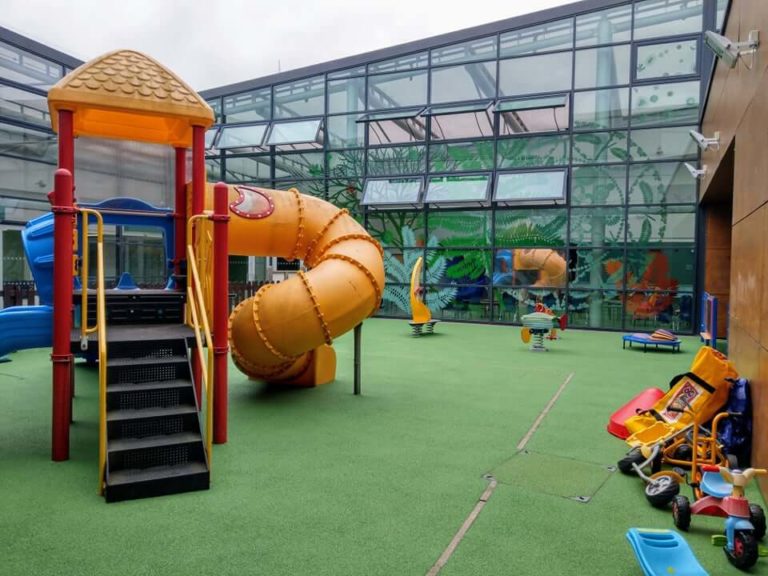
Surfacing| Tweendykes School, Wet Pour Surfacing
FAQs
Frequently asked questions
Not usually. On established grass with reasonable drainage they peg directly onto the levelled ground. On very soft or heavily worn areas we may lay a geotextile membrane and a thin stone layer first so the mats sit flat and do not sink over time.
Through spring and summer, four to eight weeks. If we lay in autumn or winter, the mats will look bare until growth picks up in March. We usually recommend a light seed over the mats after installation to speed it up.
Yes, when specified correctly. Play area mats are impact tested to a critical fall height, so the mat you need depends on how high the equipment is. A 23mm mat suits low-level play and pathways. Taller equipment needs a thicker mat or a different surface, and we will say so rather than sell you something that does not meet the standard.
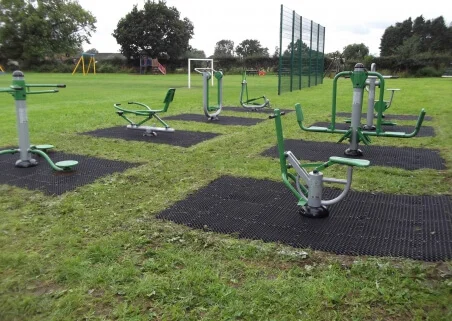
On site, with a blade. Mats can be cut around posts, edges and awkward corners, then pegged and connected so there are no lifting edges. This is one of the reasons mats work well on retrofit jobs where the equipment is already in place.
Accreditations