Resin Bound Gravel
Resin bound gravel gives you the look of loose gravel without the stones ending up everywhere. We install it across a range of settings, mixed on site and trowelled smooth so it drains freely and takes wheelchairs and buggies easily.
Filter
Sub-category
Why it matters
The Benefits of Resin Bound Gravel
- Nothing loose to scatter – Every aggregate particle is bound, so the surface stays where it was laid with no raking, topping up or stones tracked indoors.
- Smooth enough for wheels – The trowelled finish takes wheelchairs, walking frames and buggies comfortably, which loose gravel and bark never manage.
- Rain passes straight through – The bound structure is fully permeable, so it satisfies sustainable drainage requirements and avoids puddling without a separate drainage design.
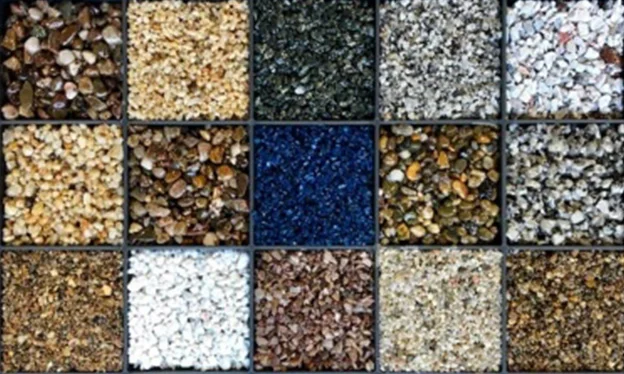
- Colour blended to the setting – Aggregates come in a wide range of natural blends, so paths can be matched to existing stonework rather than standing out as new.
- Long life with little upkeep – A properly laid resin bound surface lasts 15 to 20 years with nothing more than occasional sweeping and a wash down.
Proven success stories
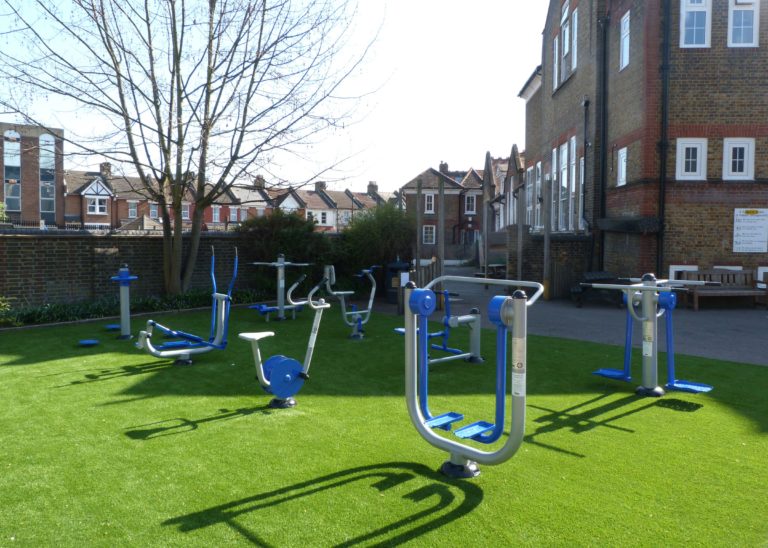
Outdoor Gym|Stamford Hill School- Outdoor Gym with Artificial Grass
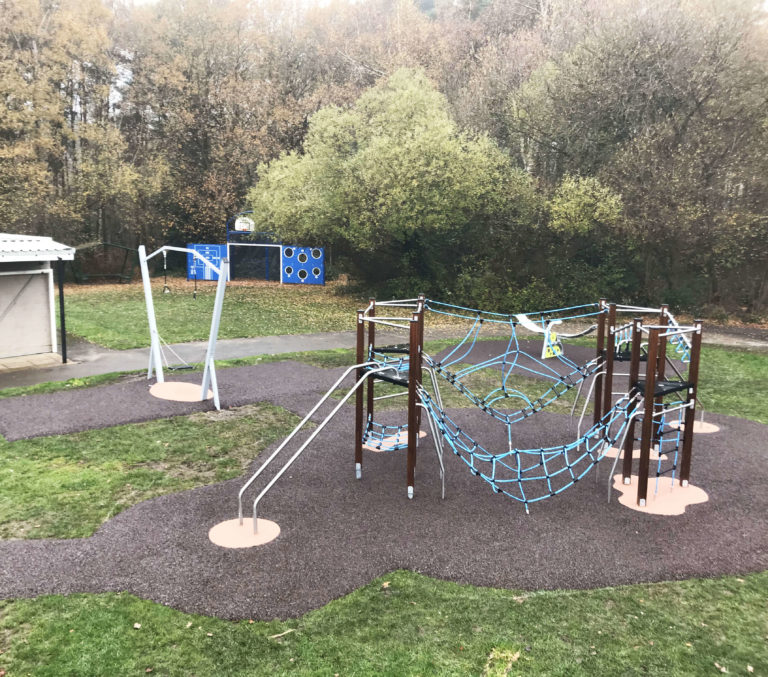
Play | Canolfan Yr Afon Infant School Outdoor Classroom and Steel Trim Trail
Play|Fleet Town Council – Playground and Bonded Rubber Mulch Surfacing
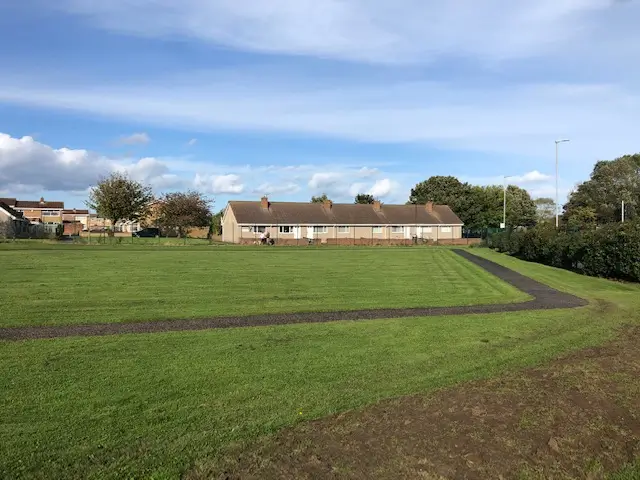
Springwell School: Encouraging Daily Activity with a SUDS Bond Mile Track From Vision to Reality at Springwell School
FAQs
Frequently asked questions
Yes. The aggregate is fully coated and laid with void space between the stones, so water passes through the surface into the base below. This is what separates resin bound from resin bonded, which is a sealed surface with loose stone scattered on top.
It is walkable within around six hours in normal conditions and takes light traffic after 24 hours. Cold or damp weather extends this, which is why we avoid laying below about 5 degrees.
No more than any other hard surface, and less than smooth concrete when wet, because the aggregate gives natural texture. On slopes or shaded areas we can add an anti-slip aggregate to the top layer.
Yes, provided the tarmac is sound, clean and stable. This is the most cost-effective way to install it and is what we do on most school and park projects. Cracked or failing tarmac needs repair or removal first, because the resin surface will mirror whatever moves beneath it.
Accreditations