Welcome to our new website, we’ve rebranded.
Product Range

Aerial Runways

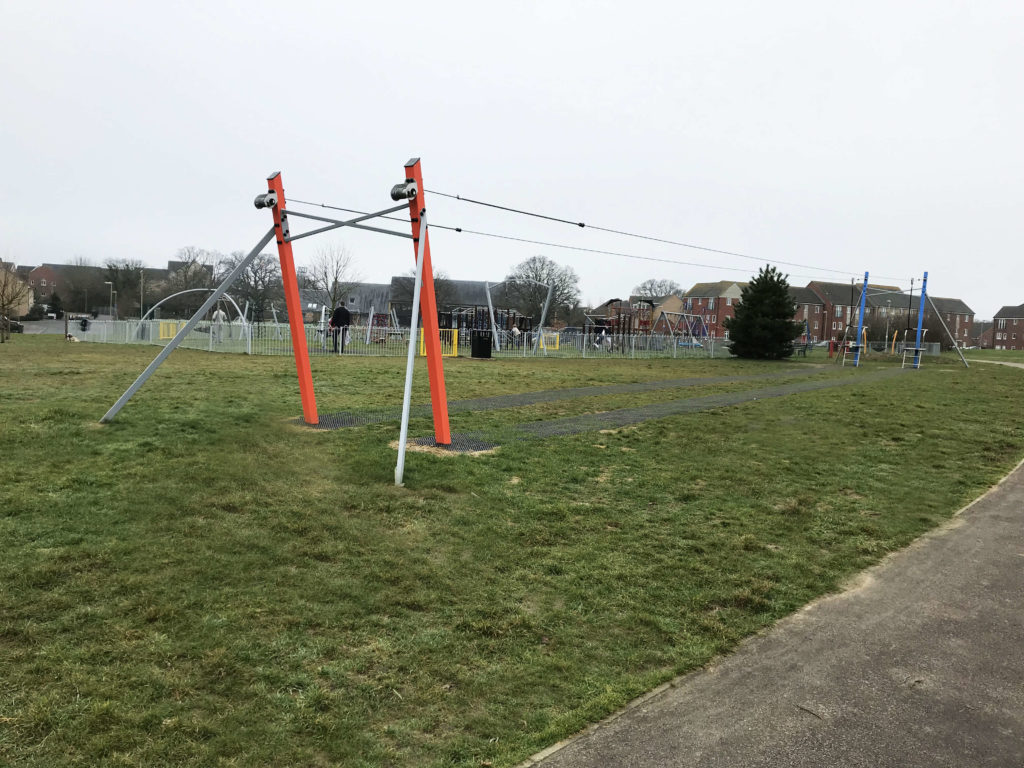
Aerial runways bring zip wire excitement to schools, parks and adventure playgrounds, complementing other equipment such as playground swings. Choose from single or double runways in timber, Robinia or steel, with lengths from 20 to 40 metres. Options include seats, pommels, launch platforms and ramps, plus two-way and side-by-side racing designs.

Two Way Timber - 20m | 25m

One Way Timber - 20m | 25m |30m

Robinia Aerial Runway

Robinia Double Aerial Runway

Traditional Steel Aerial Runway

Double Aerial Runway

Proven success stories

Aerial Runways Case Studies

No data was found
FAQs

Frequently asked questions

Everything you need to know about specifying, installing and maintaining Aerial Runways.
What is the difference between an aerial runway and a zip wire?

They work in the same way: a rider holds on to a seat or pommel that travels along a cable from one end to the other. Aerial runway is the term usually used for playground versions, which are designed for children and installed with a defined safety area. Our timber runways also include a trolley brake for smoother landings.

How much space does an aerial runway need?

Allow for the full length of the run plus its safety area. Our runways come in 20m, 25m, 30m and 40m lengths depending on the model, and listed safety areas range from around 80m² for a single runway to 133m² for a double. Our team checks the run and clearances during a free site survey.

What age are aerial runways suitable for?

Our Robinia and steel aerial runways are listed for ages 5 to 14, which makes them a good fit for primary schools, junior play areas and parks. Check each product page for the age range of the specific model before you specify.

Should I choose a single or double aerial runway?

A single runway suits sites with room for one run. A double runway, such as the Robinia Double Aerial Runway or the steel Double Aerial Runway, has two platforms and two seats so children can ride or race side by side, which helps with queues at busy schools and parks. The two-way timber runway lets riders launch from either end.
What surfacing is needed under an aerial runway?

Our Robinia and steel runways list a fall height of 1,750mm, so the safety area needs impact-absorbing surfacing rated for that height. On grassed school fields, rubber grass mats keep a natural look, while wetpour gives a seamless finish on hard-standing areas.

Can an aerial runway be part of a wider active play area?

Yes. On school fields, an aerial runway pairs well with trim trail equipment to create an active zone for older pupils who want more challenge than a standard play area offers.

Accreditations