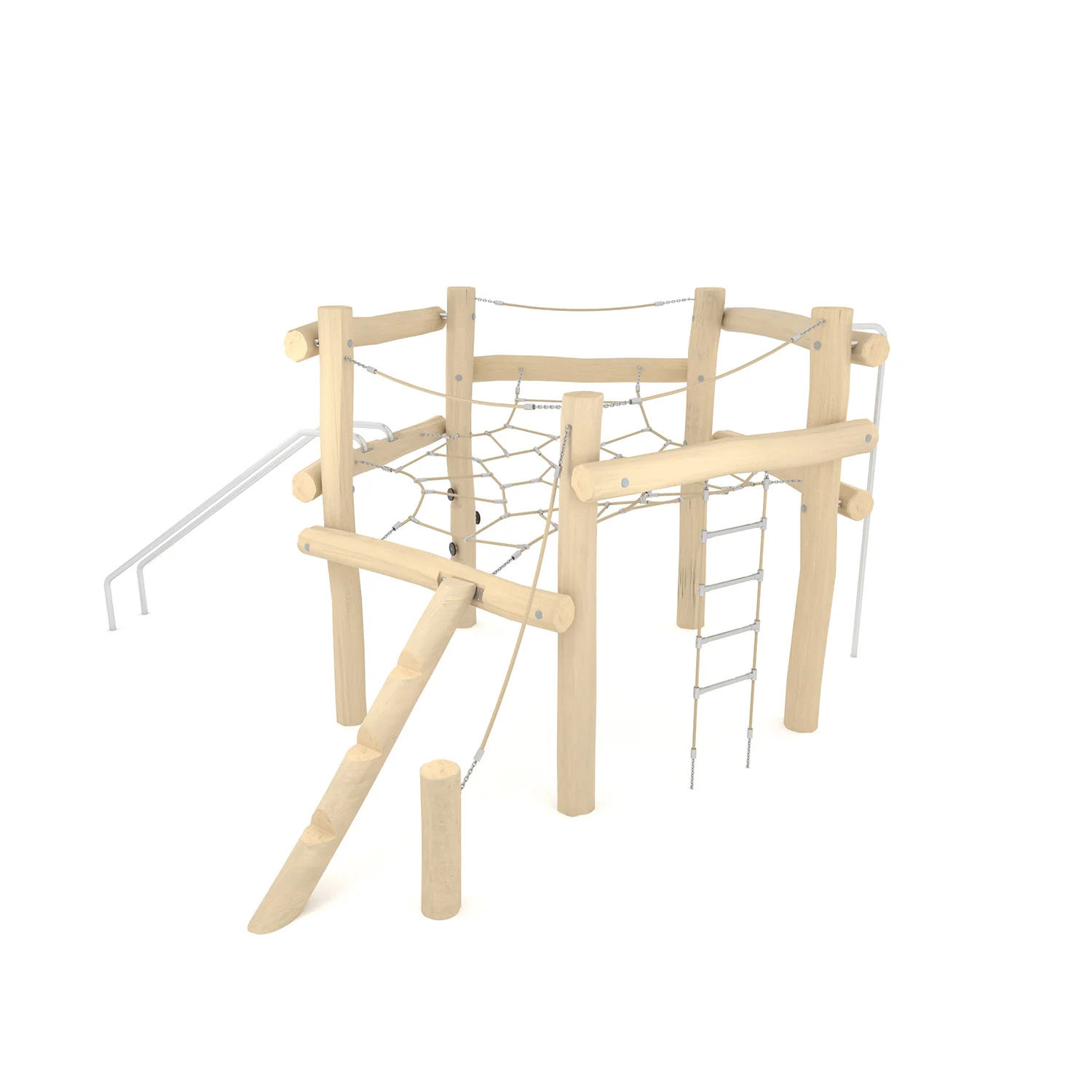
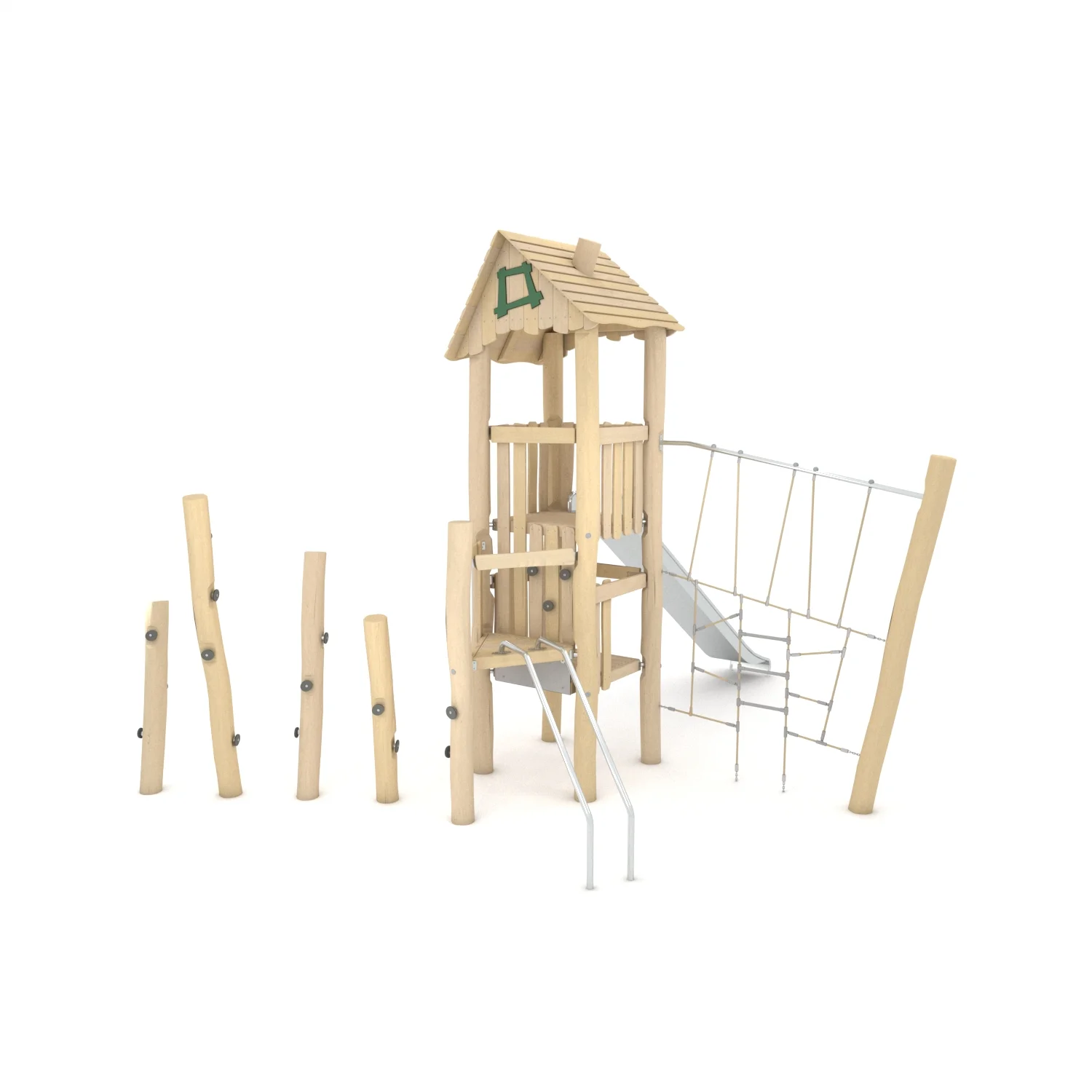
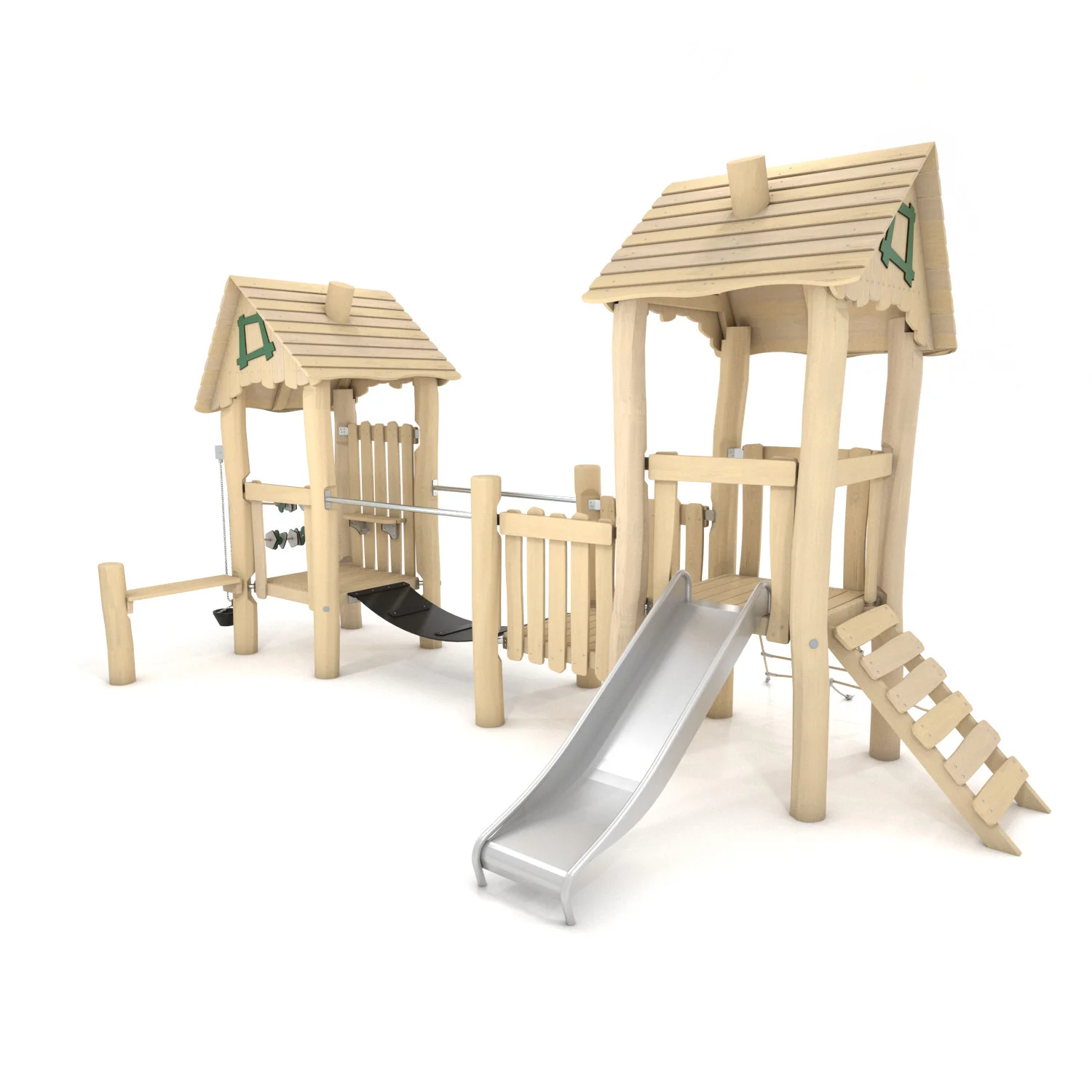
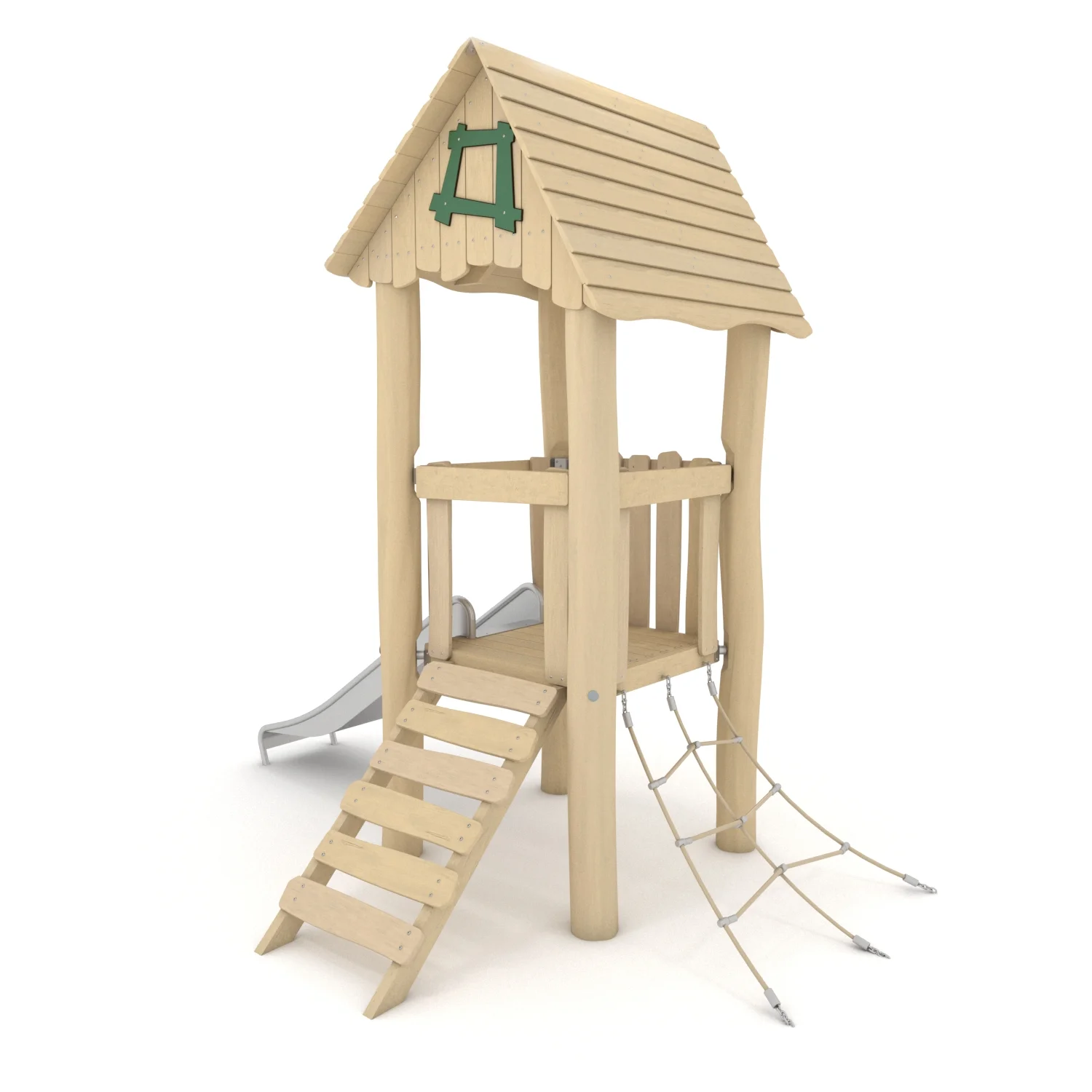
Robinia Multiplays
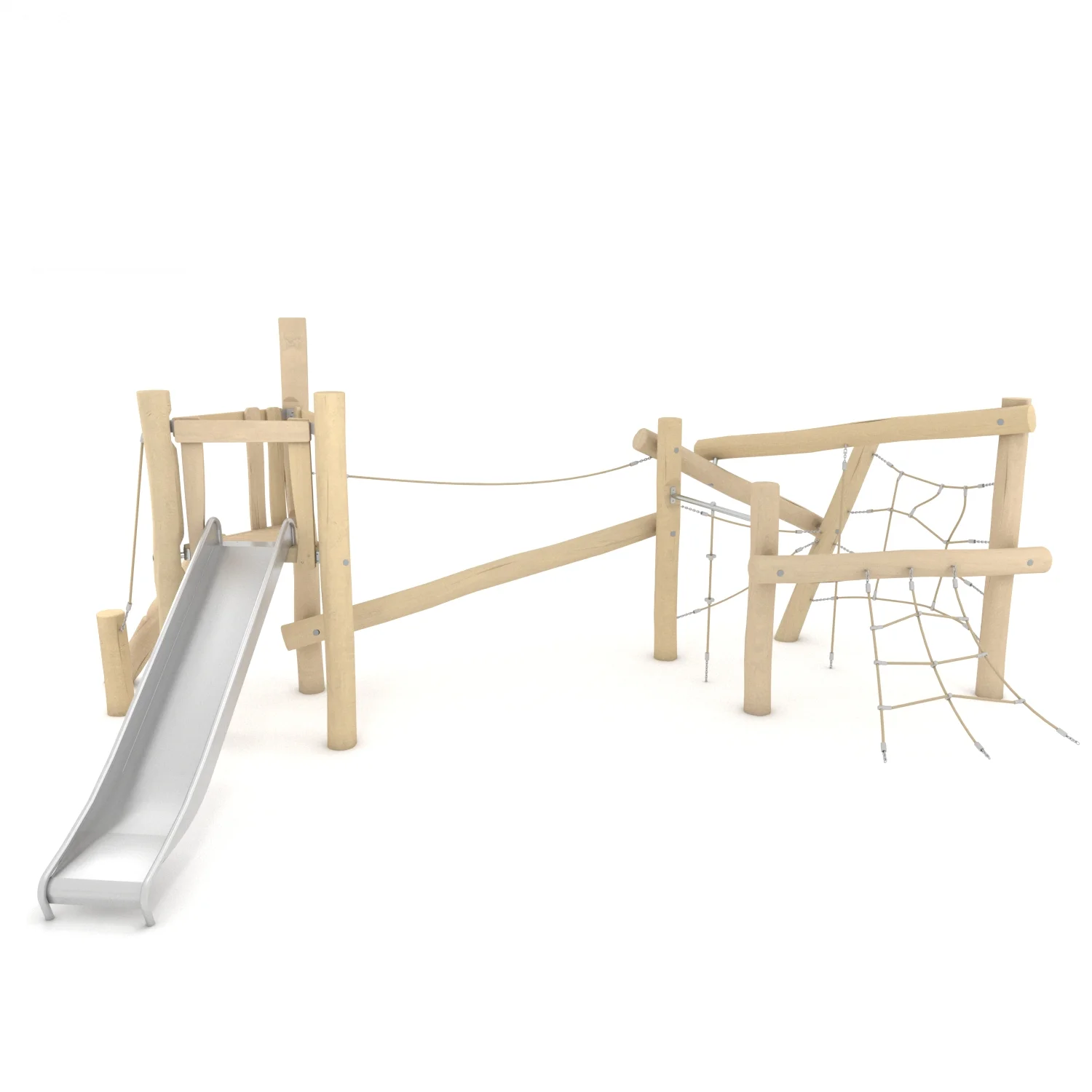
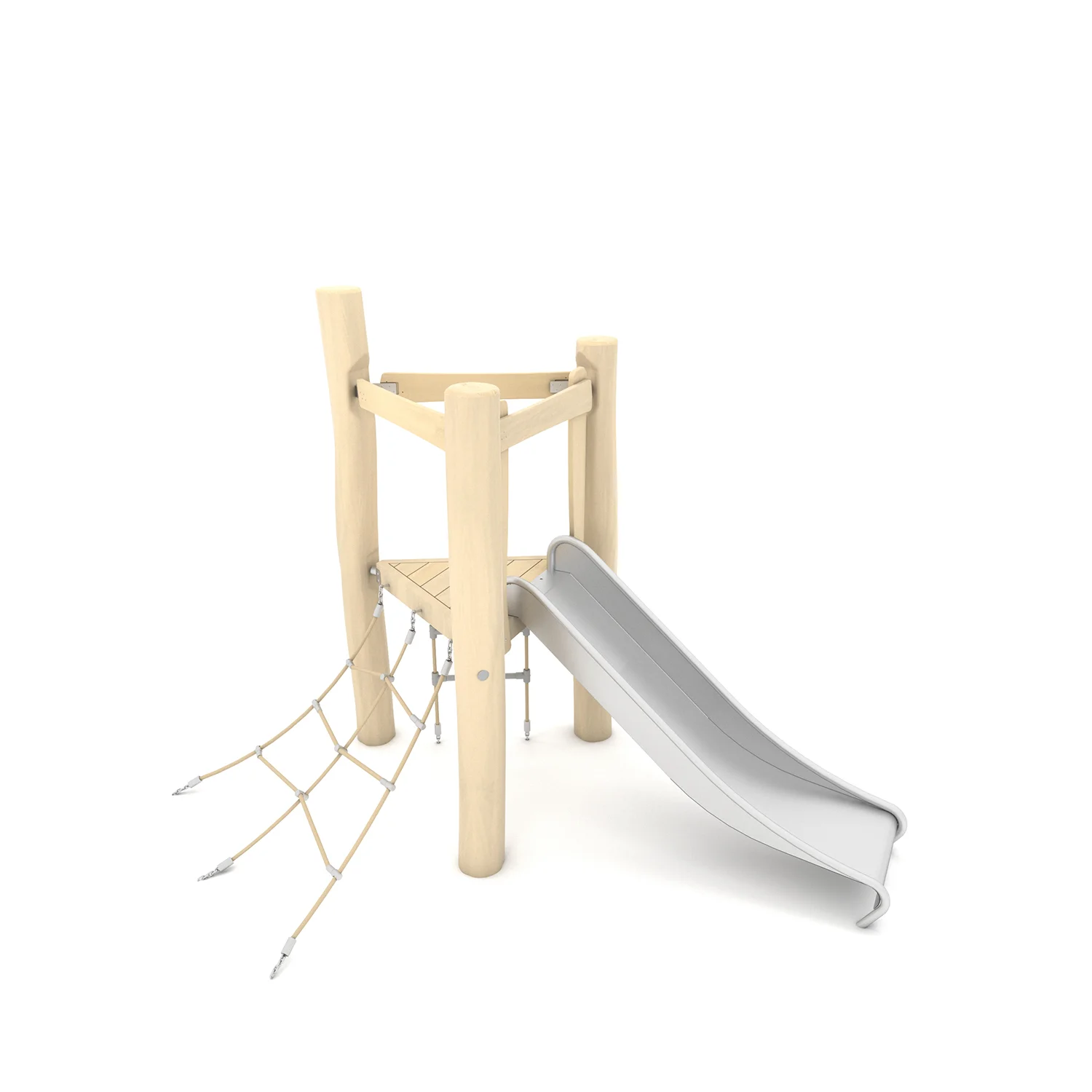
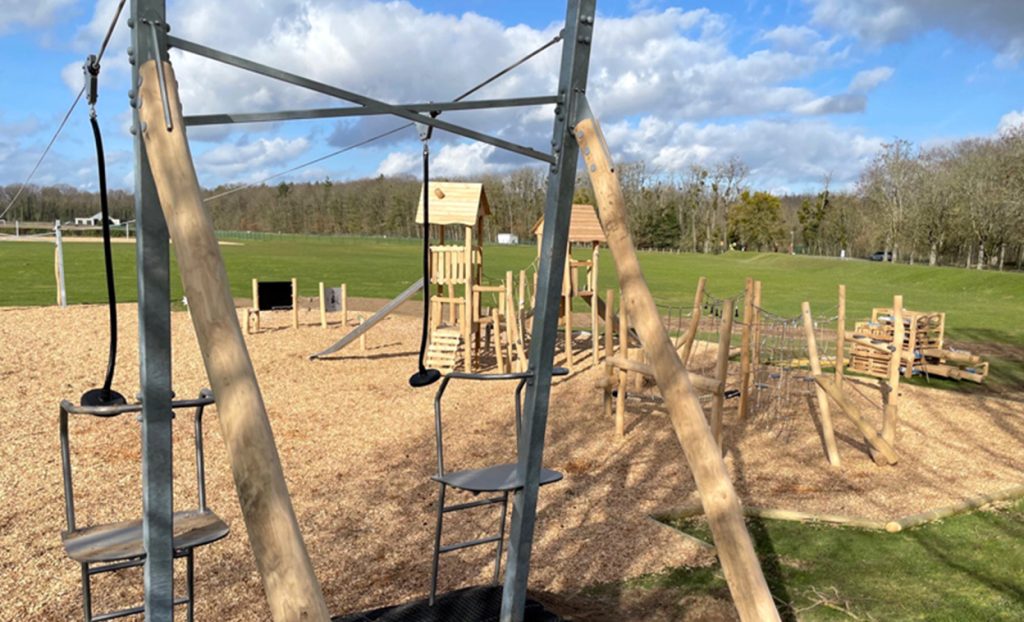
We design, supply and install robinia multiplay units for sites that want natural playground equipment with real character. Robinia is a dense hardwood with an organic, irregular form, so every structure looks handcrafted while standing up to years of outdoor use in parks, schools and visitor attractions.
Why it matters
The Benefits of Robinia Multiplays
- Naturally durable without treatment – Robinia is one of Europe’s most rot-resistant hardwoods, so it performs outdoors in ground contact without the chemical preservatives that standard softwood needs.
- A genuinely natural look – The timber keeps its irregular grown shape, which means no two units are identical and the structure settles into woodland, parkland and garden settings rather than standing out from them.
- Holds its shape over time – Robinia is dense and stable, resisting the warping, splitting and twisting that can affect softer timbers after a few seasons of British weather.
- Encourages varied, exploratory play – Uneven trunks, rope nets, balance beams and low-level decks create the kind of unpredictable challenge that keeps children engaged far longer than uniform equipment.
- Low maintenance for the long term – No annual staining or re-treating is required, so your ongoing maintenance budget stays predictable across the life of the installation.
Proven success stories
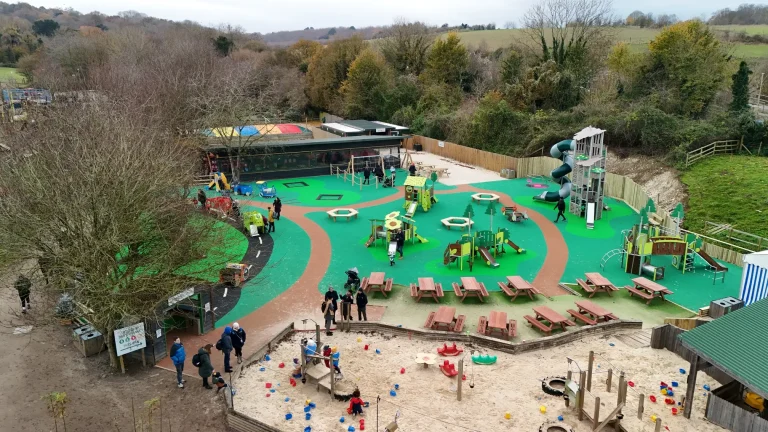
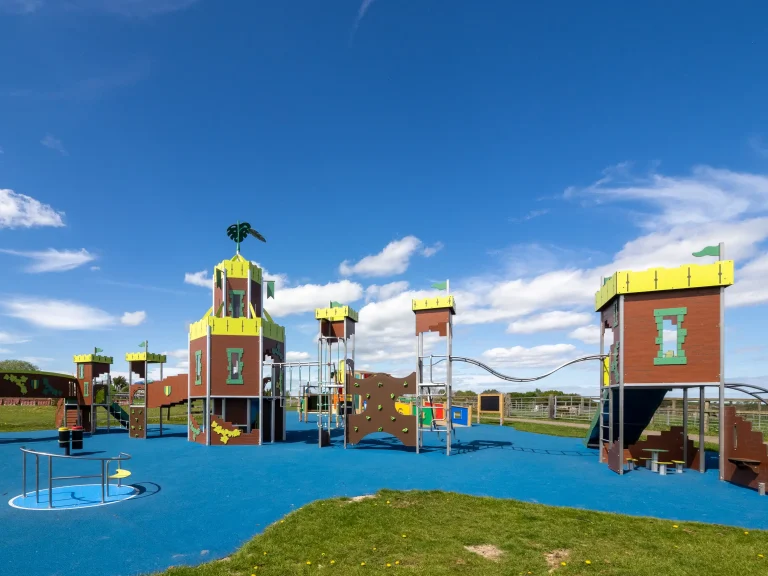
Bocketts Farm: A Large-Scale Playground Transformation for Endless Adventure
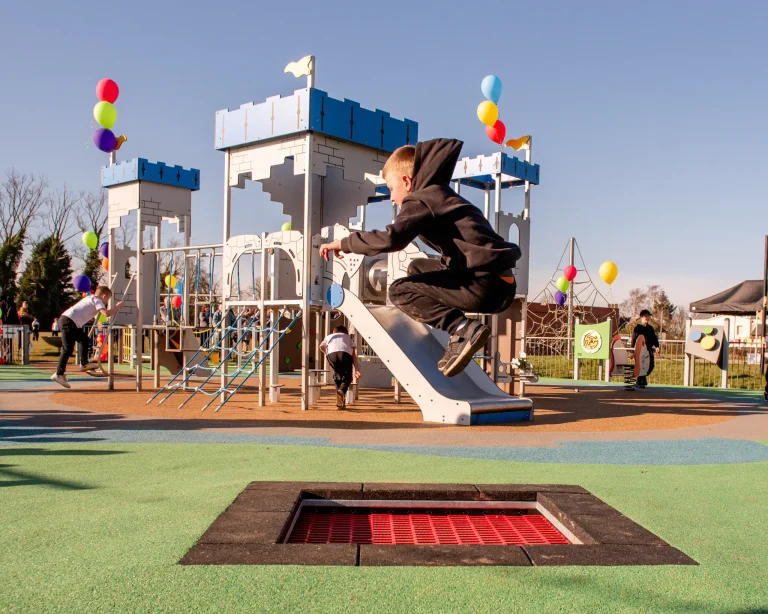
Farm Tastic | Adventure Valley: Creating a Truly Inclusive Play Experience
Kensworth Parish Council: A Community Play Area Reimagined
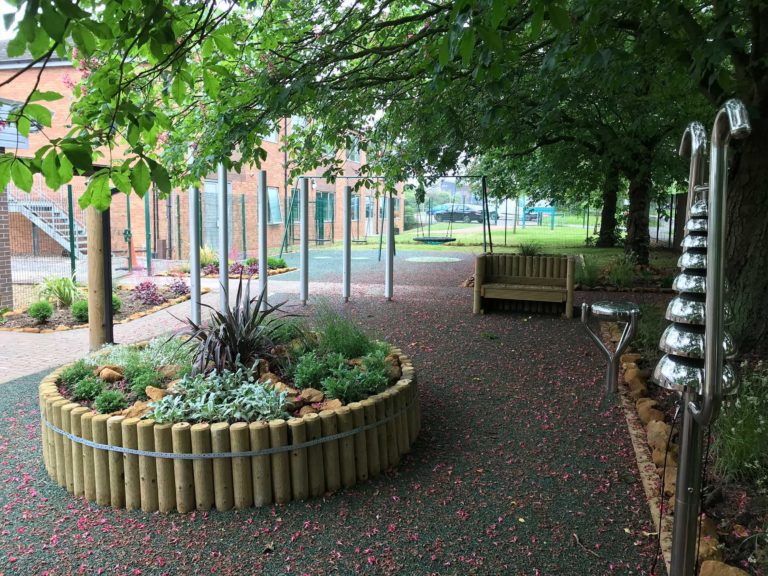
Play | Birch Wood Special School Sensory Garden
FAQs
Frequently asked questions
Robinia, also known as black locust or false acacia, is a dense European hardwood with exceptional natural resistance to rot and insect attack. That means we can install it in ground contact without chemical preservatives, which is why it has become the standard choice for premium natural playground equipment. Its naturally irregular form also gives each unit a distinctive, organic character that machined timber cannot replicate.
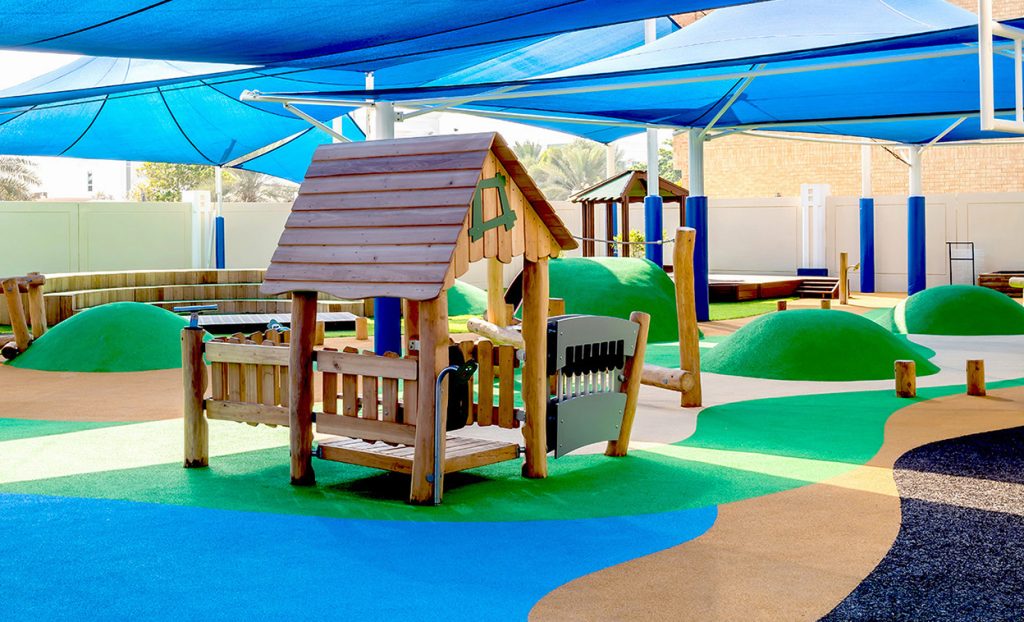
Robinia typically gives 20 to 25 years of service outdoors, and often longer for above-ground components. Its durability class puts it ahead of standard pressure-treated softwood, which is a large part of why it costs more upfront and less over its lifetime.
Robinia usually carries a higher initial cost than standard timber or steel, reflecting the hardwood itself and the hand-finished nature of each unit. Over a 20-year horizon the gap narrows considerably, because robinia needs no re-treatment and very little remedial work. We are happy to quote all three materials so you can compare properly.
Bonded rubber mulch and play grass are the most popular pairings because they hold the natural look of the scheme. Wet pour is also an option where you need a hard-wearing surface with defined zoning. The required depth is calculated from the unit's Critical Fall Height, and we install the surfacing as part of the same project.
Yes. Low level multiplays, sensory panels, ramped access and ground-level activities all work well in school and SEN environments, and robinia is often chosen for sensory gardens because of its natural texture and warmth. We can combine robinia units with inclusive play equipment so children of all abilities have something to use.
Accreditations